

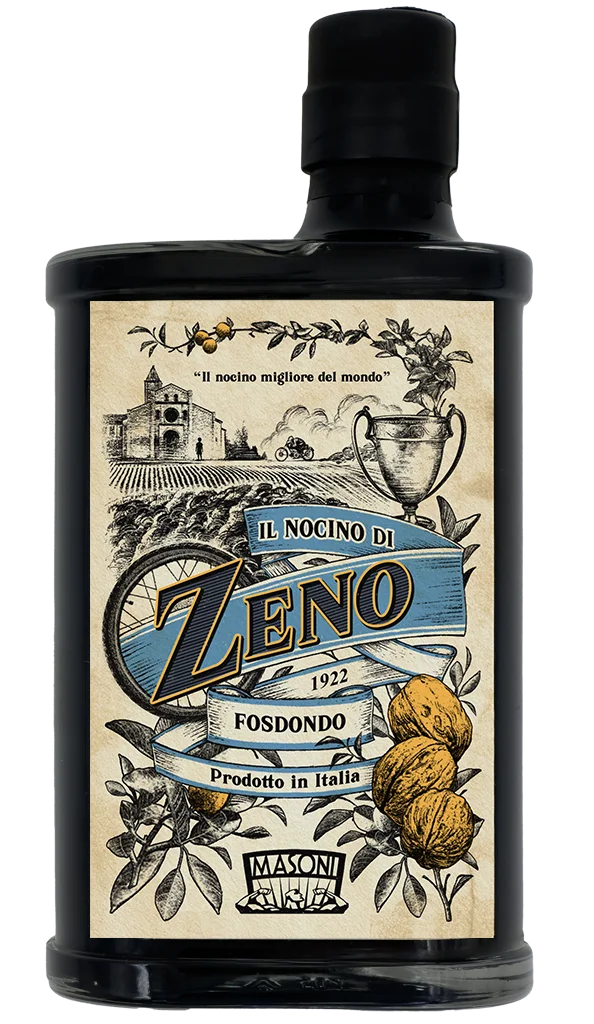
Zeno's Walnut Liqueur
"The Best Walnut Liqueur in the World."
Start
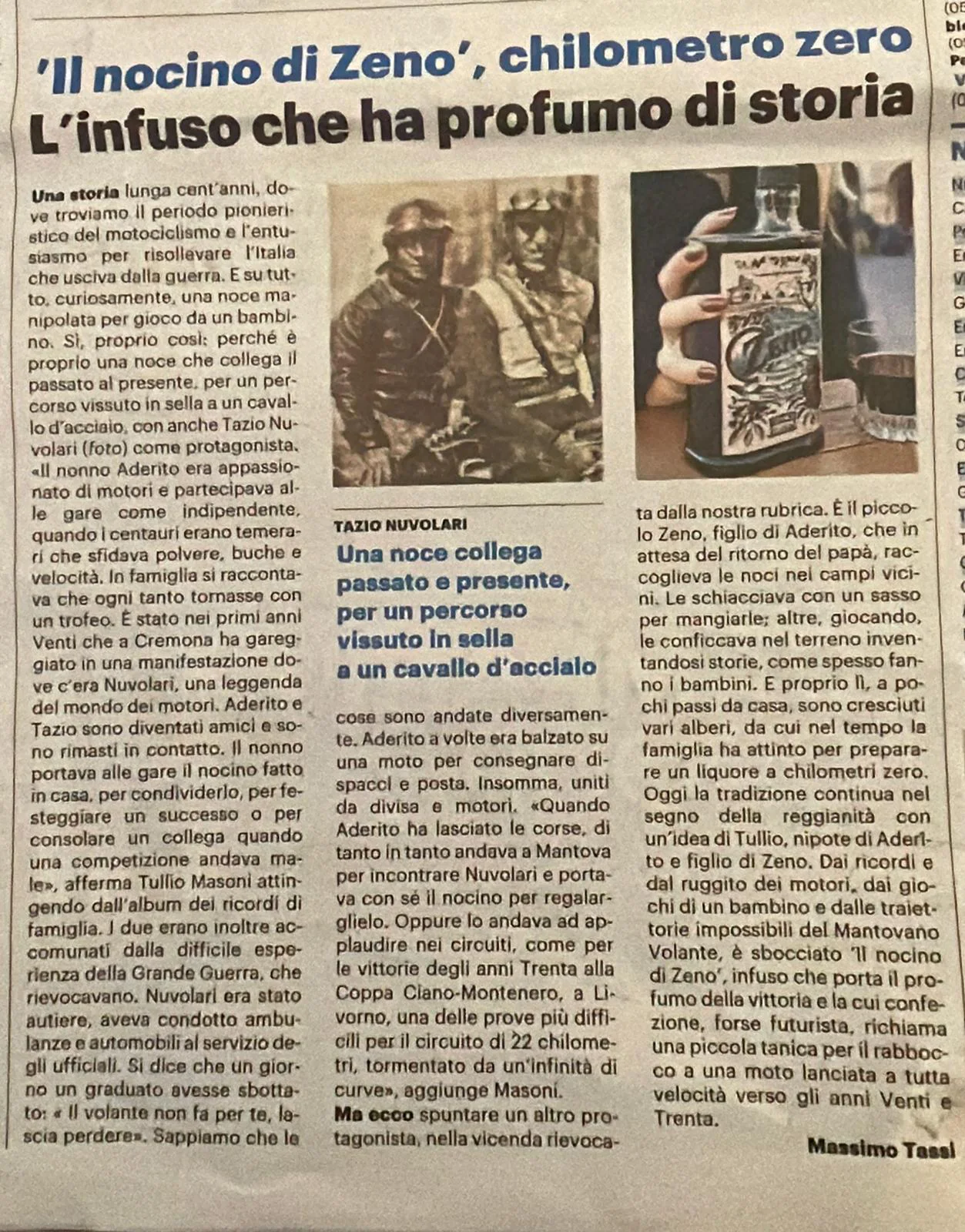
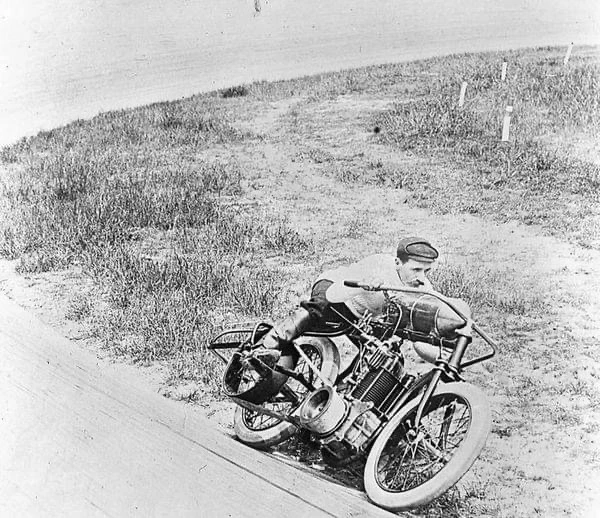
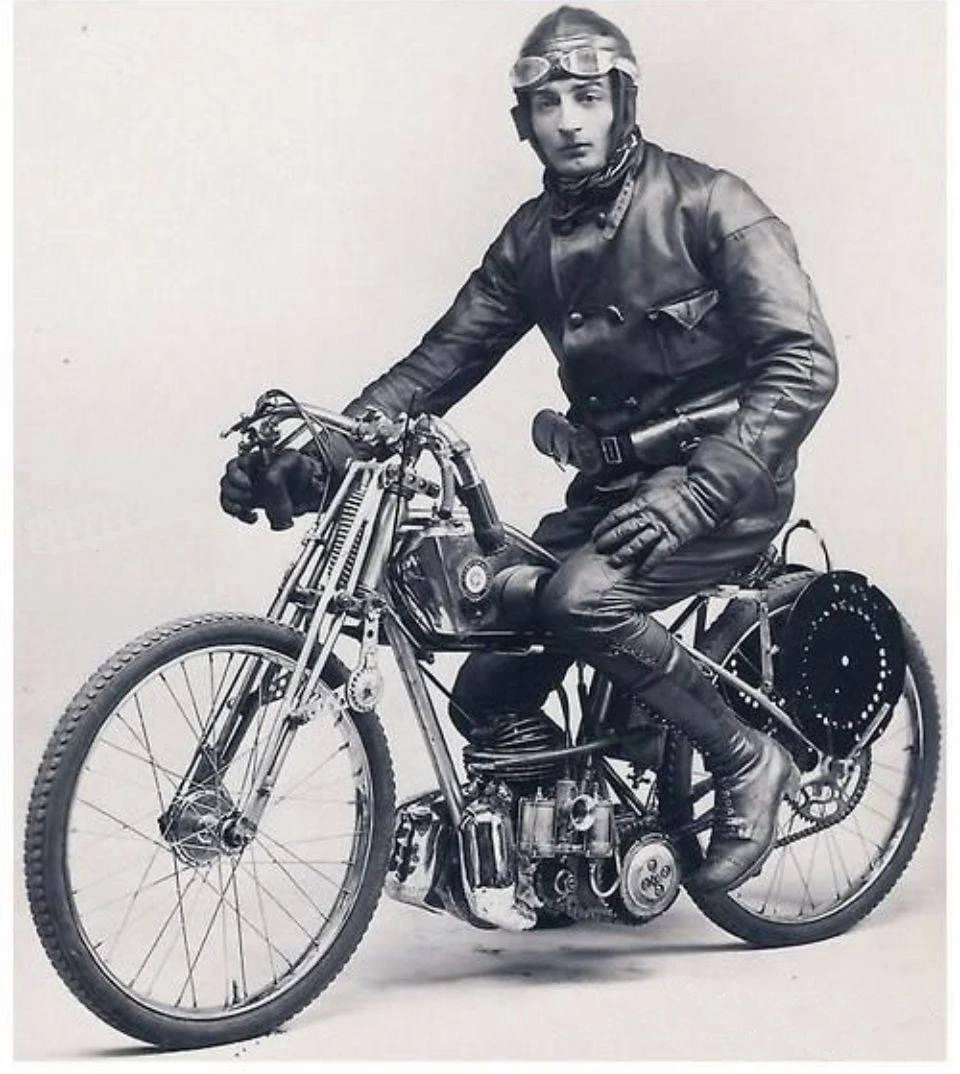
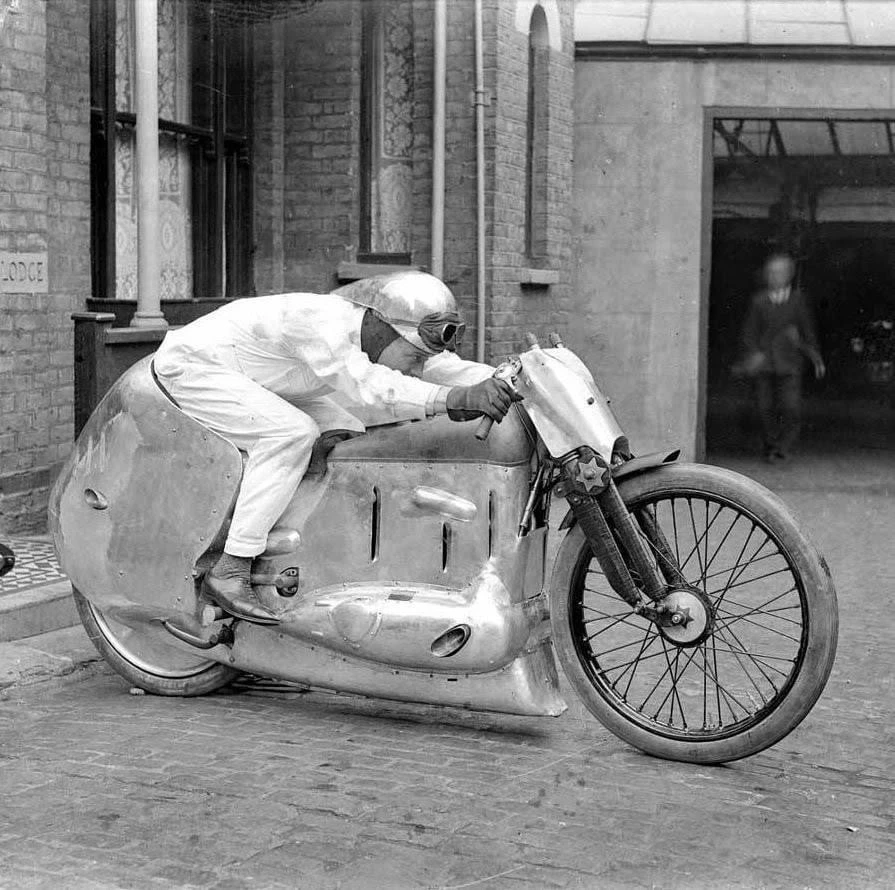
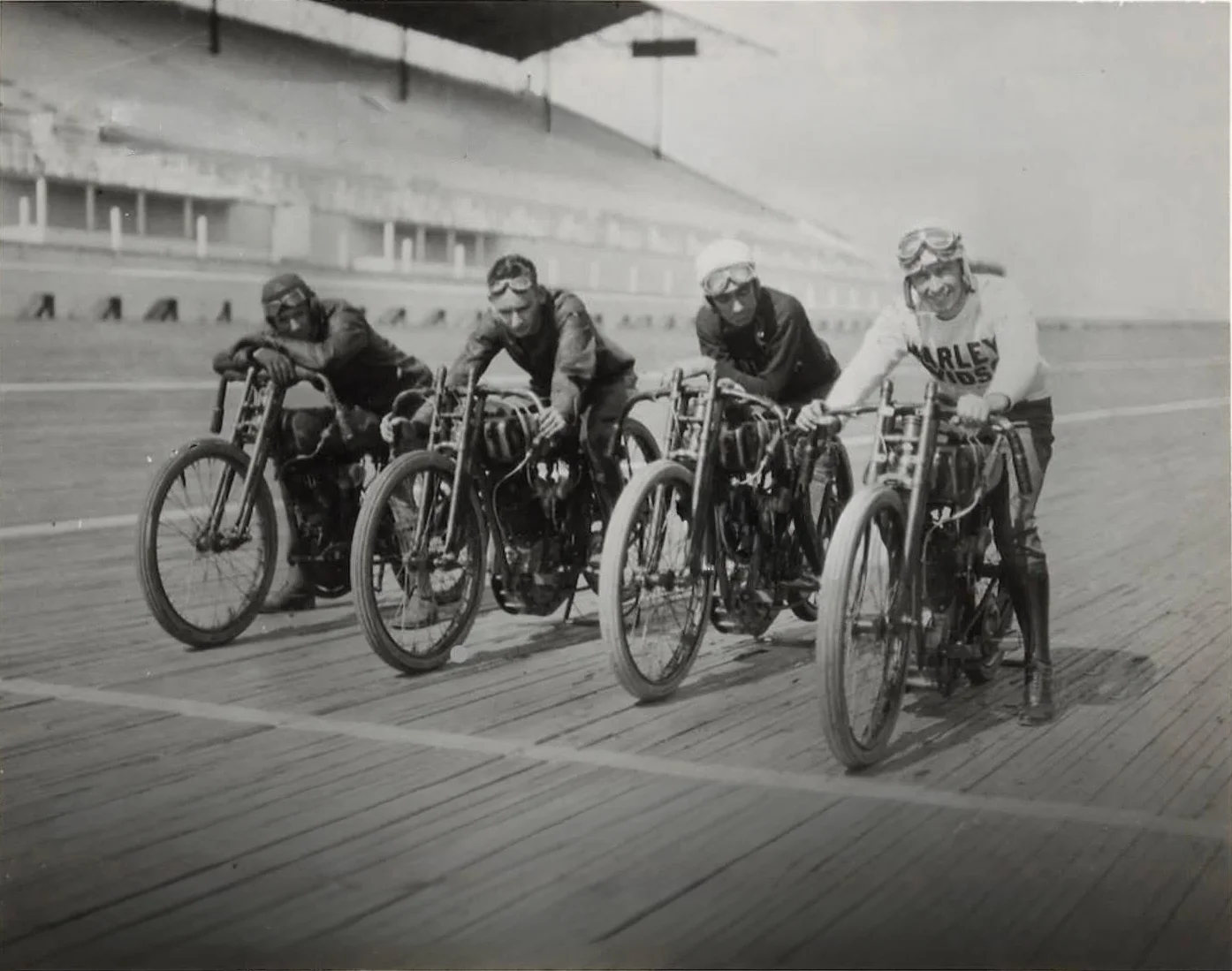
In the 1920s, during the pioneering days of motorcycling, young Zeno always accompanied his father Aderito, a skilled racer on the circuits. Zeno always held a walnut tightly in his hand as a good luck charm, and when Aderito returned victorious with the trophy in hand, a delighted Zeno would run to plant that walnut near the Parish Church of Fosdondo. When Aderito ended his extraordinary racing career, Zeno used the fruit of those now fully grown trees to produce a walnut liqueur and relive those unforgettable moments: the result is an infusion from a magical recipe that, even after more than a century, still preserves the scent of victory.

Fosdondo: Emilia’s Best-Kept Secret


Fosdondo was already a place of considerable importance in Roman times, as demonstrated by the numerous discoveries of ancient remains in its territory. When it was incorporated into the Matildic fief, a majestic parish church was built there, overlooking endless expanses of walnut trees, a testament to Fosdondo’s deep connection with this particular fruit. The fresh, slightly acidic soil, rich in organic matter and with a significant water supply, favored the growth of monumental trees. When, in the late Middle Ages, homemade distillate production took root in Fosdondo, the widespread presence of walnut trees gave rise to the tradition of walnut liqueur. Medieval physicians praised its virtues, and Arnaldo da Villanova wrote that it “prolongs good health, disperses superfluous humors, revives the heart, and keeps one young.”
Fosdondo is one of those places that seem to escape maps, yet sooner or later end up becoming part of everyone’s life. Located in a strategic position, just minutes from both the hills and the great Po River, Fosdondo offers the perfect blend of nature, tradition, and hospitality. The fog, a constant and almost affectionate presence, envelops the town in a timeless atmosphere, where every season has its own special charm.
The beating heart of Fosdondo is its majestic medieval Parish Church, a witness to centuries of history and devotion, which towers over the main square and hosts the annual Feast of the Ascension. Over the years, this event has grown into an international attraction: art, performances, charity, tastings, music, and the famous Nocino di Zeno come together in an experience you won’t easily forget.
Here, people have a smile for everyone, even for those coming from afar. As you stroll through the village streets, you’ll be greeted by strangers, because in Fosdondo hospitality is an ancient value that never goes out of style.
Come to Fosdondo. Nothing happens, but it happens well.
Walnut liqueur.
Walnut liqueur was not just a simple walnut husk infusion; it was much more. It was the first liqueur of the Emilian tradition in which every family identified with its own specific secret recipe. In this competitive atmosphere, young Zeno came up with the idea of creating a new walnut liqueur that would surpass, just as his father had done in motorcycle races, all the walnut liqueurs produced until then—and thus was born “The Best Walnut Liqueur in the World.”
Tasting a glass of Nocino di Zeno, the transgressive element emerges within the first few seconds, because the context in which it was born opens up to the transcendent, in a metaphysical resurgence that awakens the need to belong to that place: Fosdondo!
The competitions
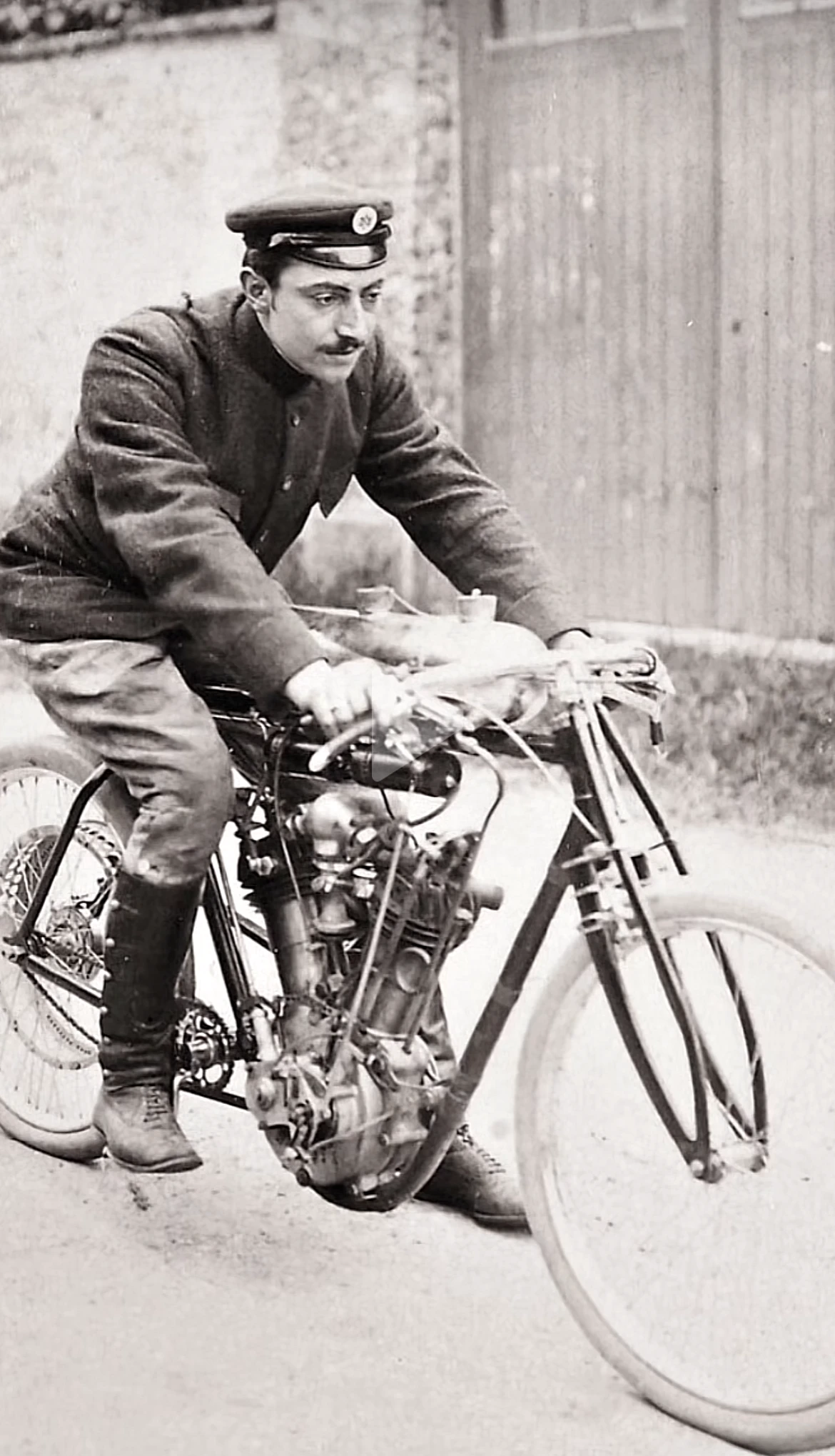
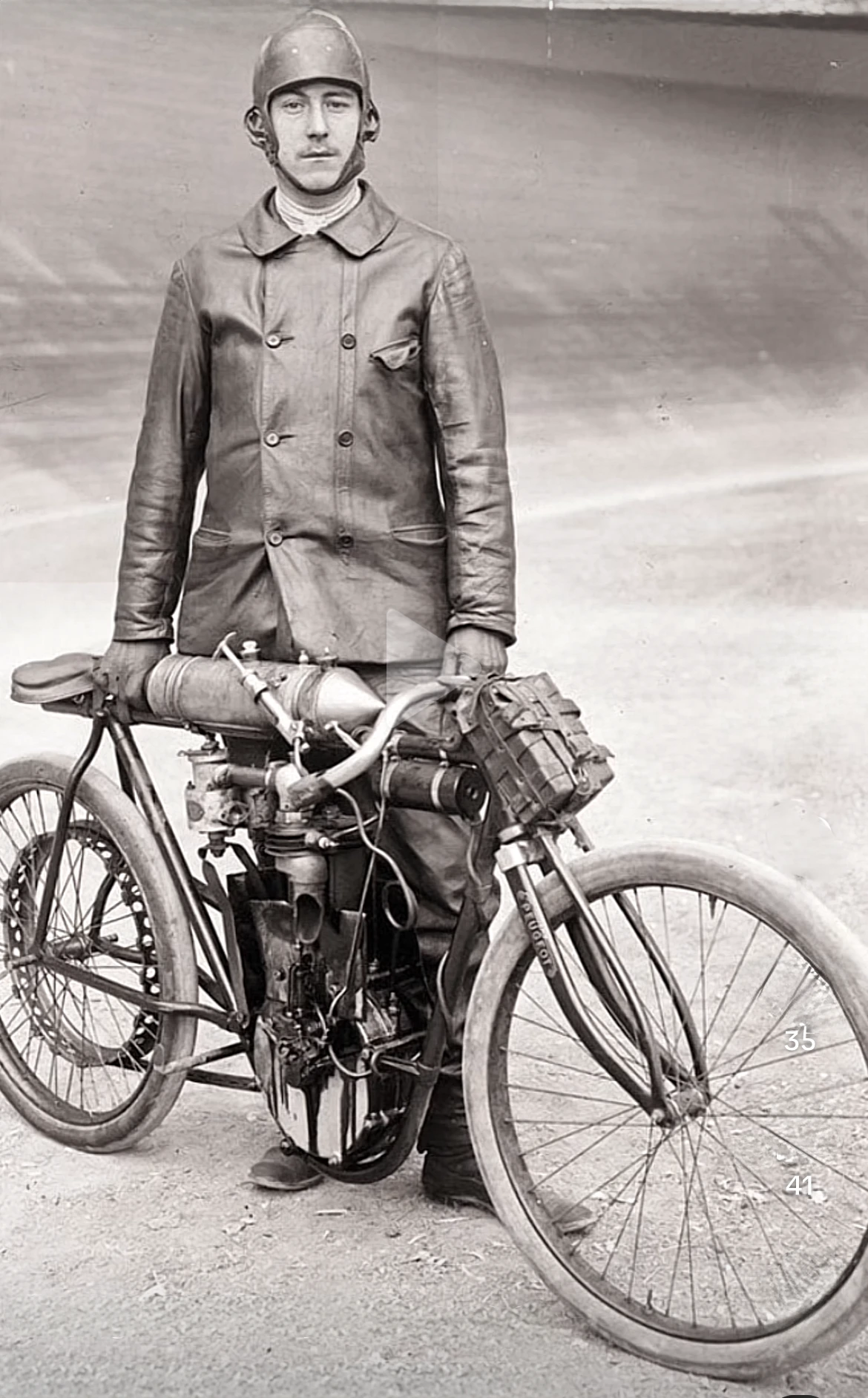
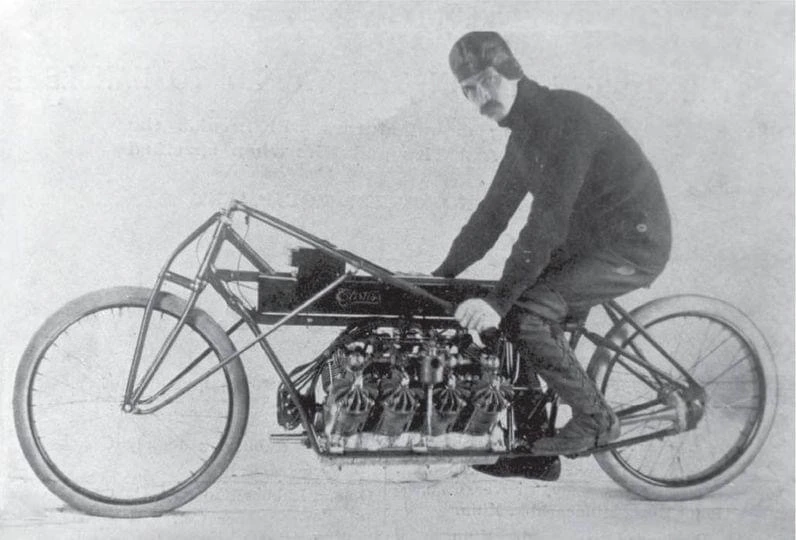
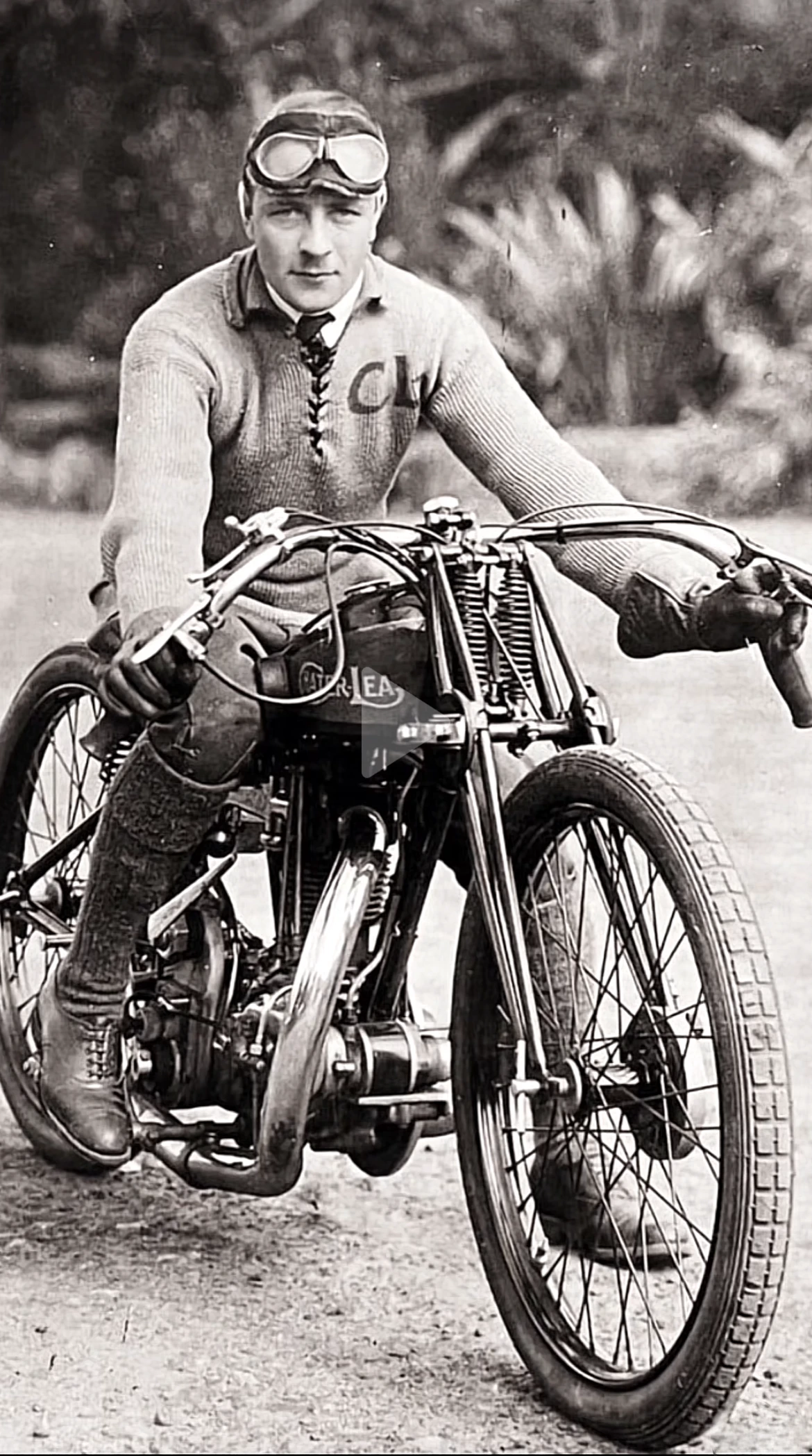
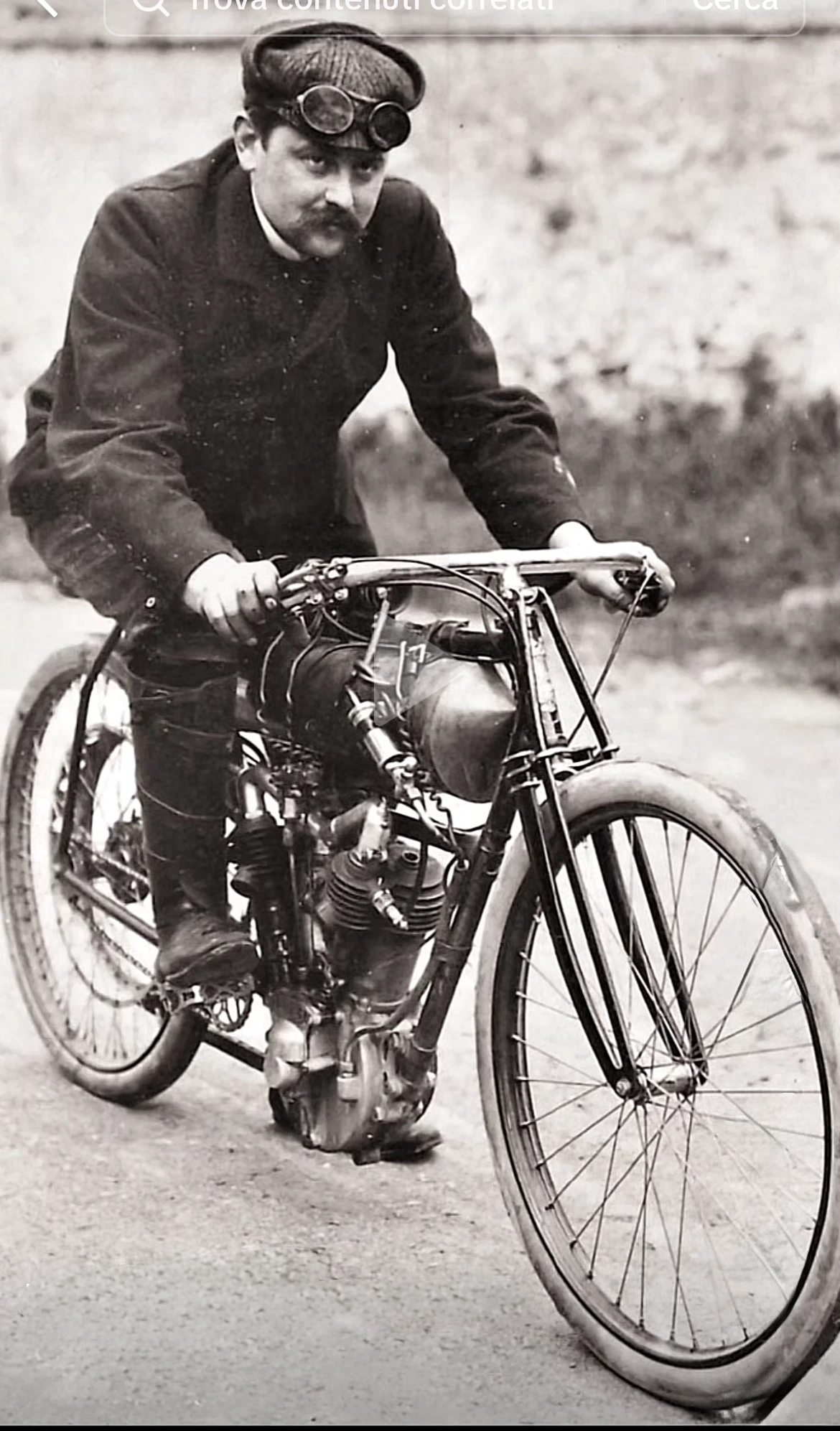
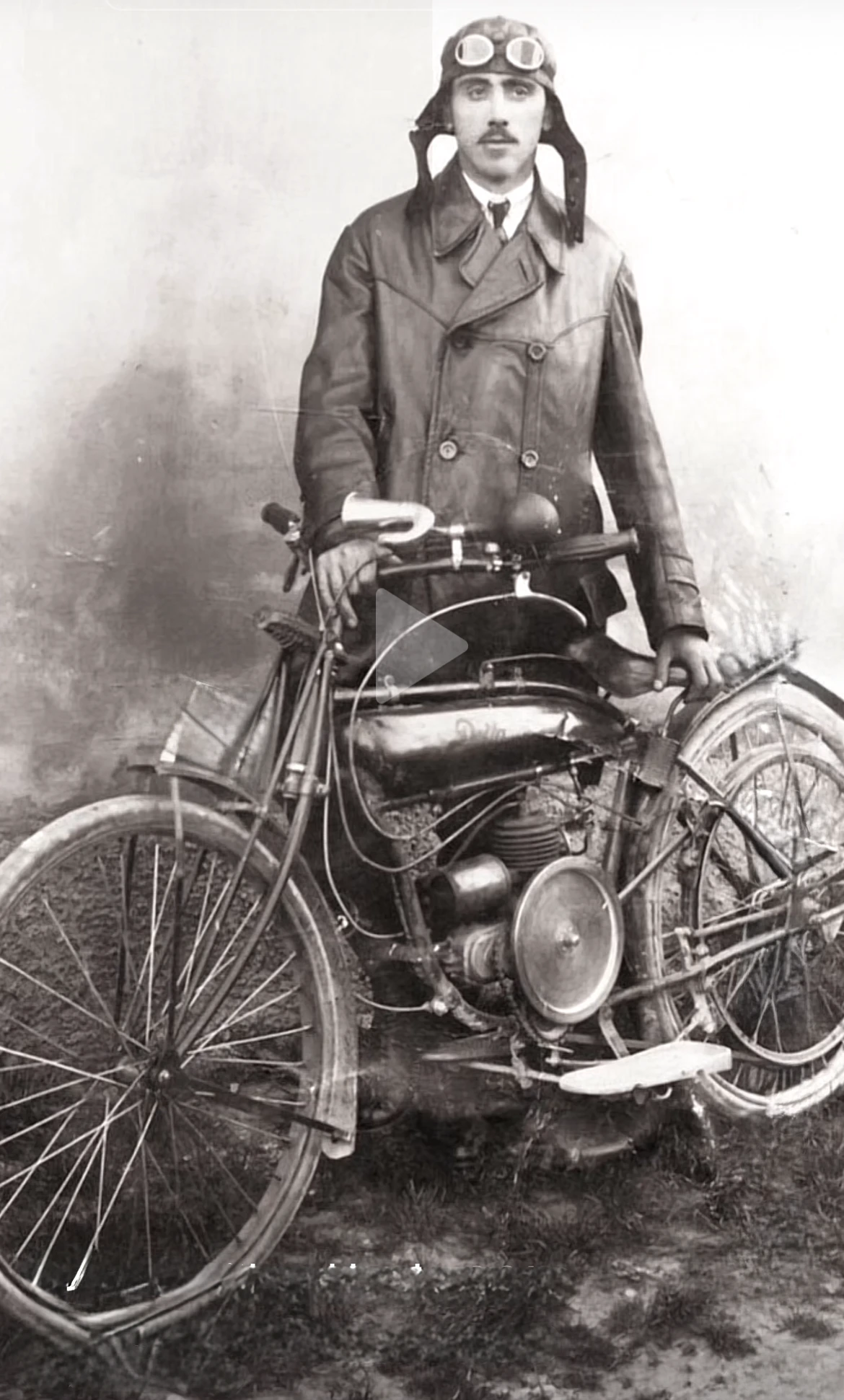
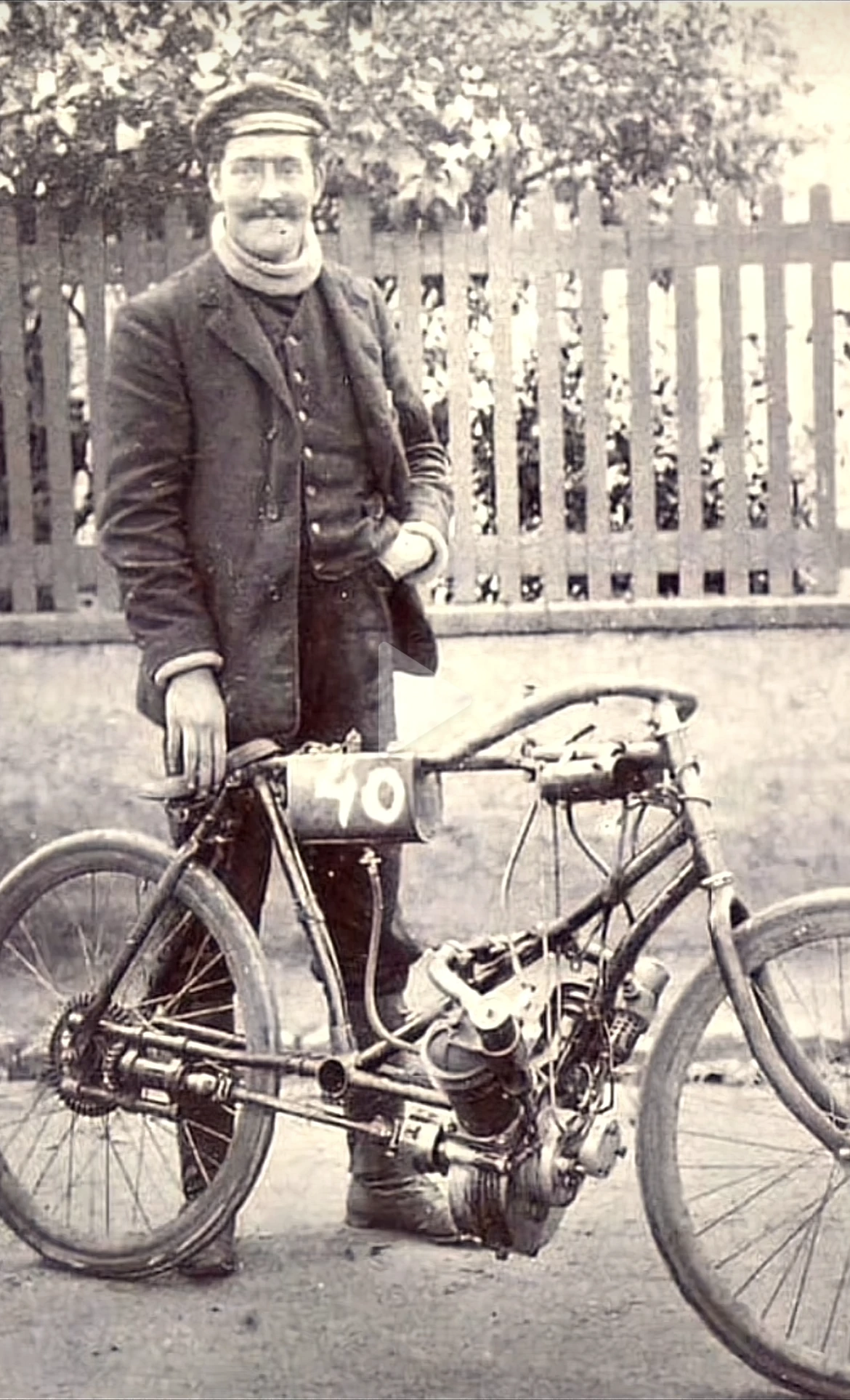
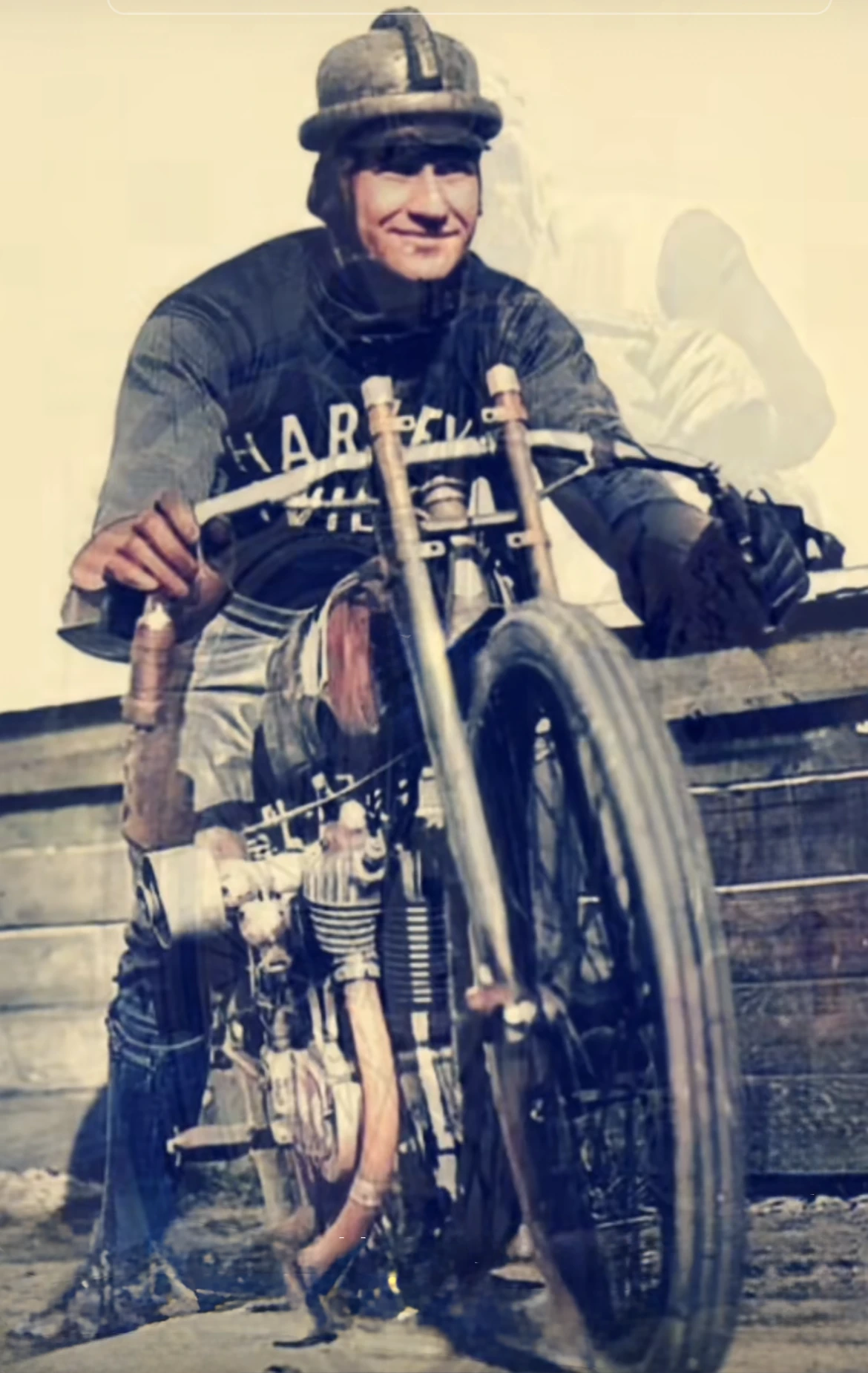
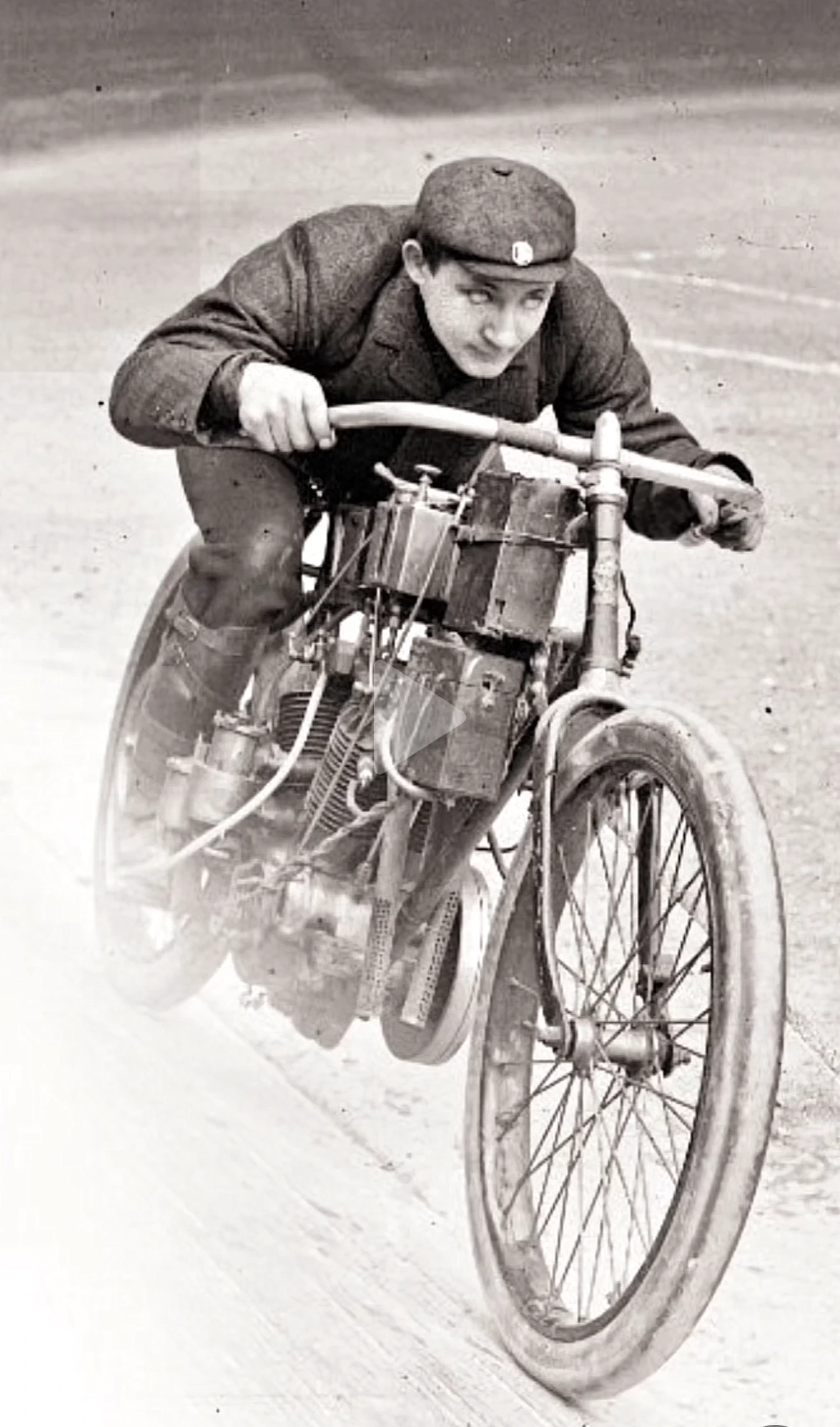
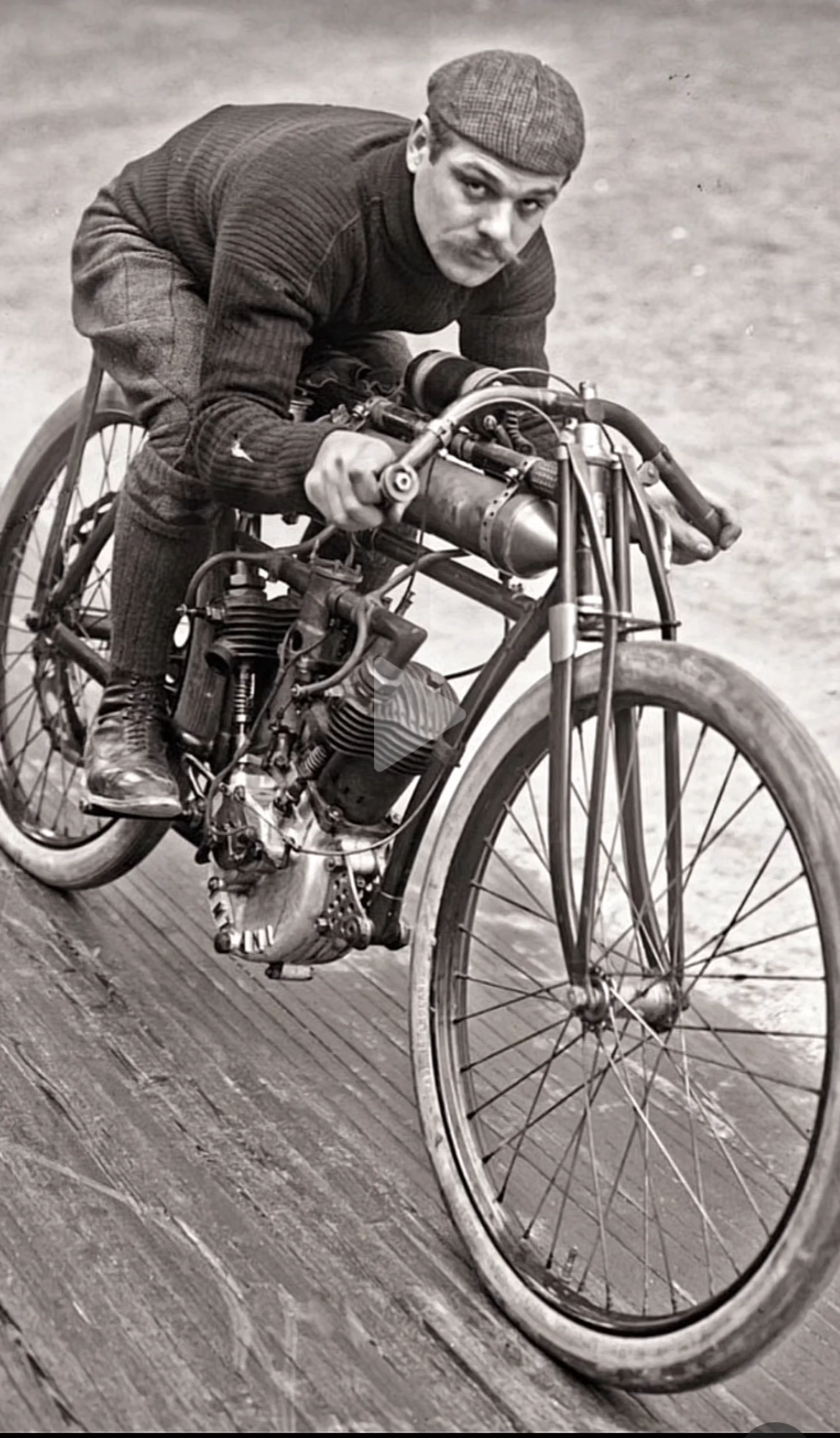
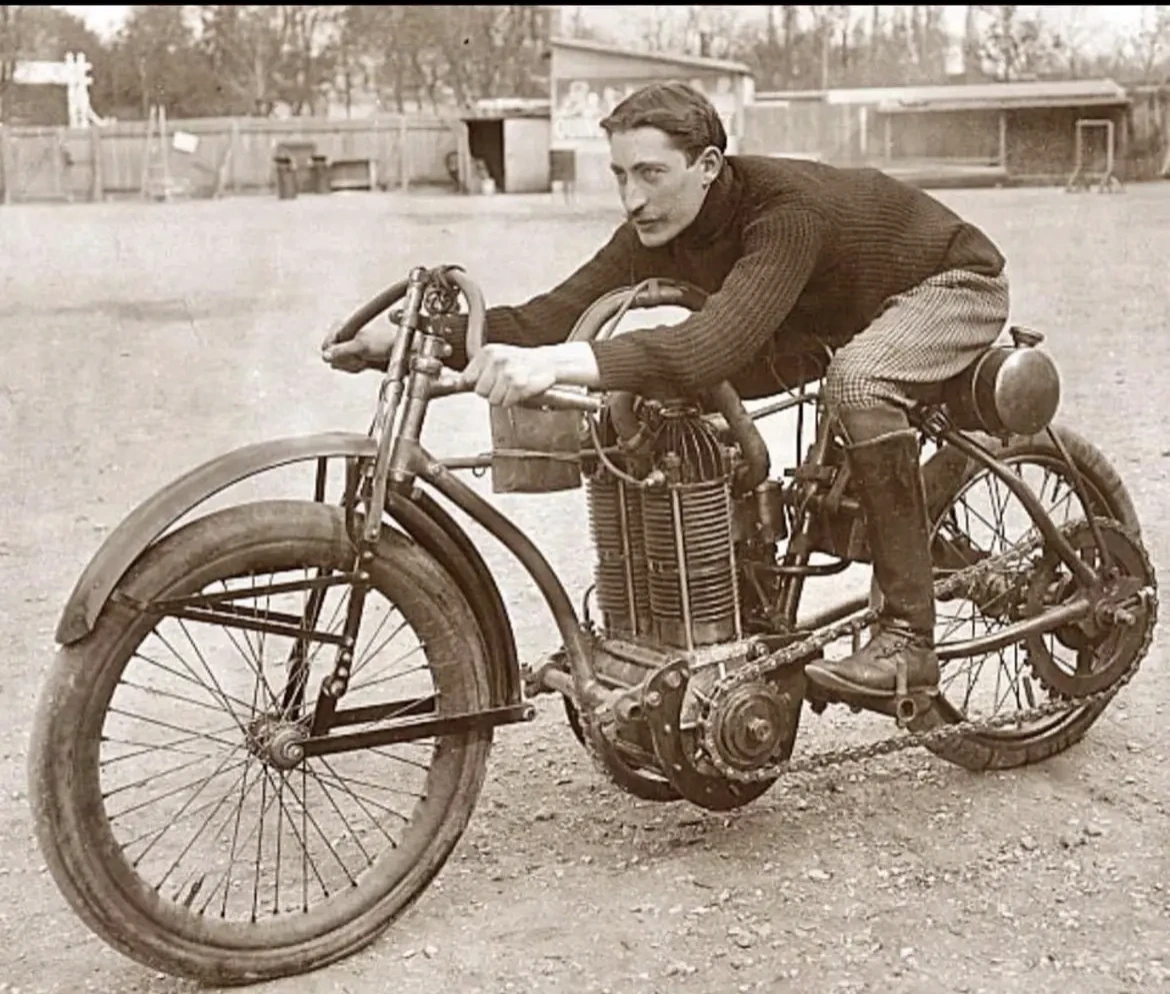
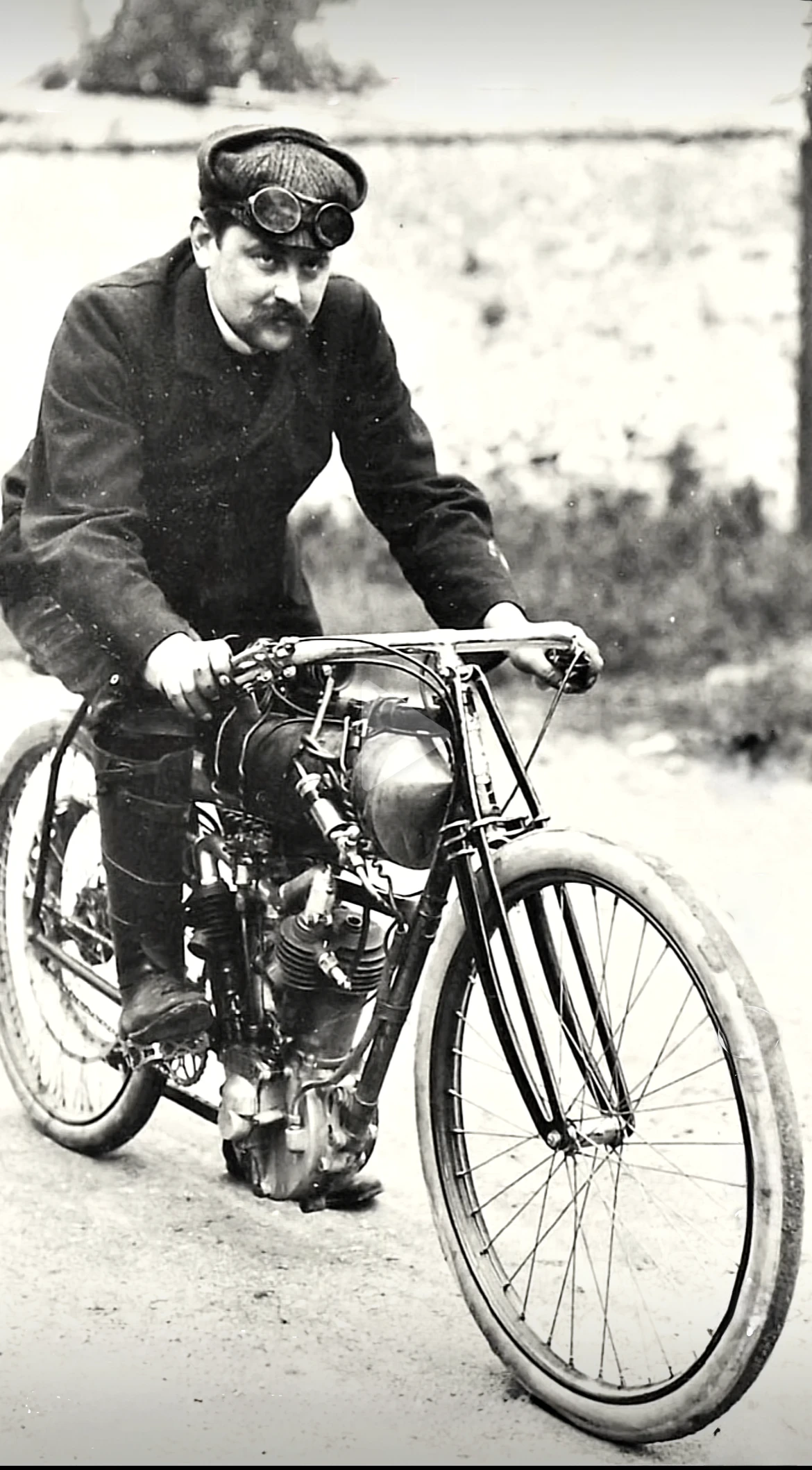
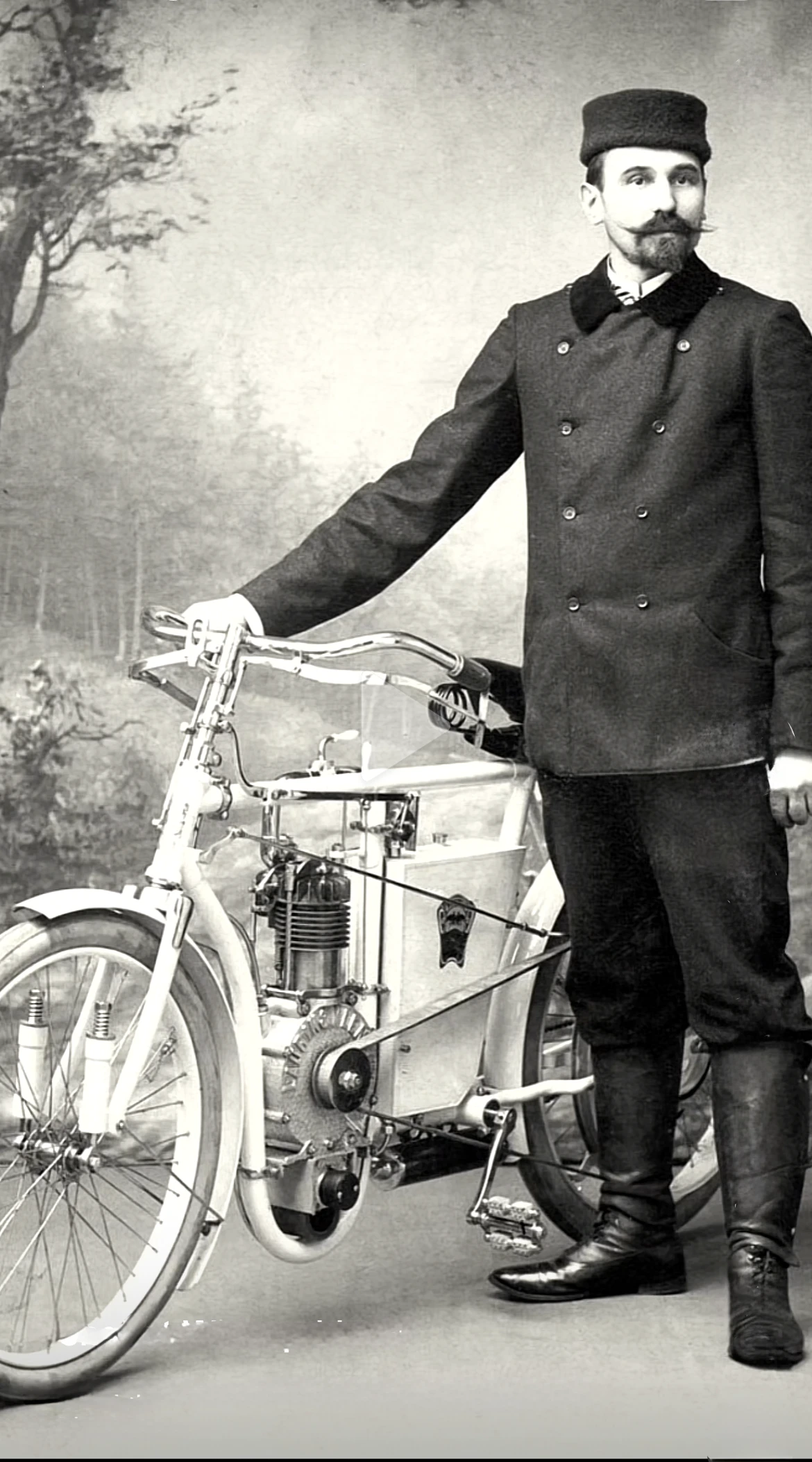
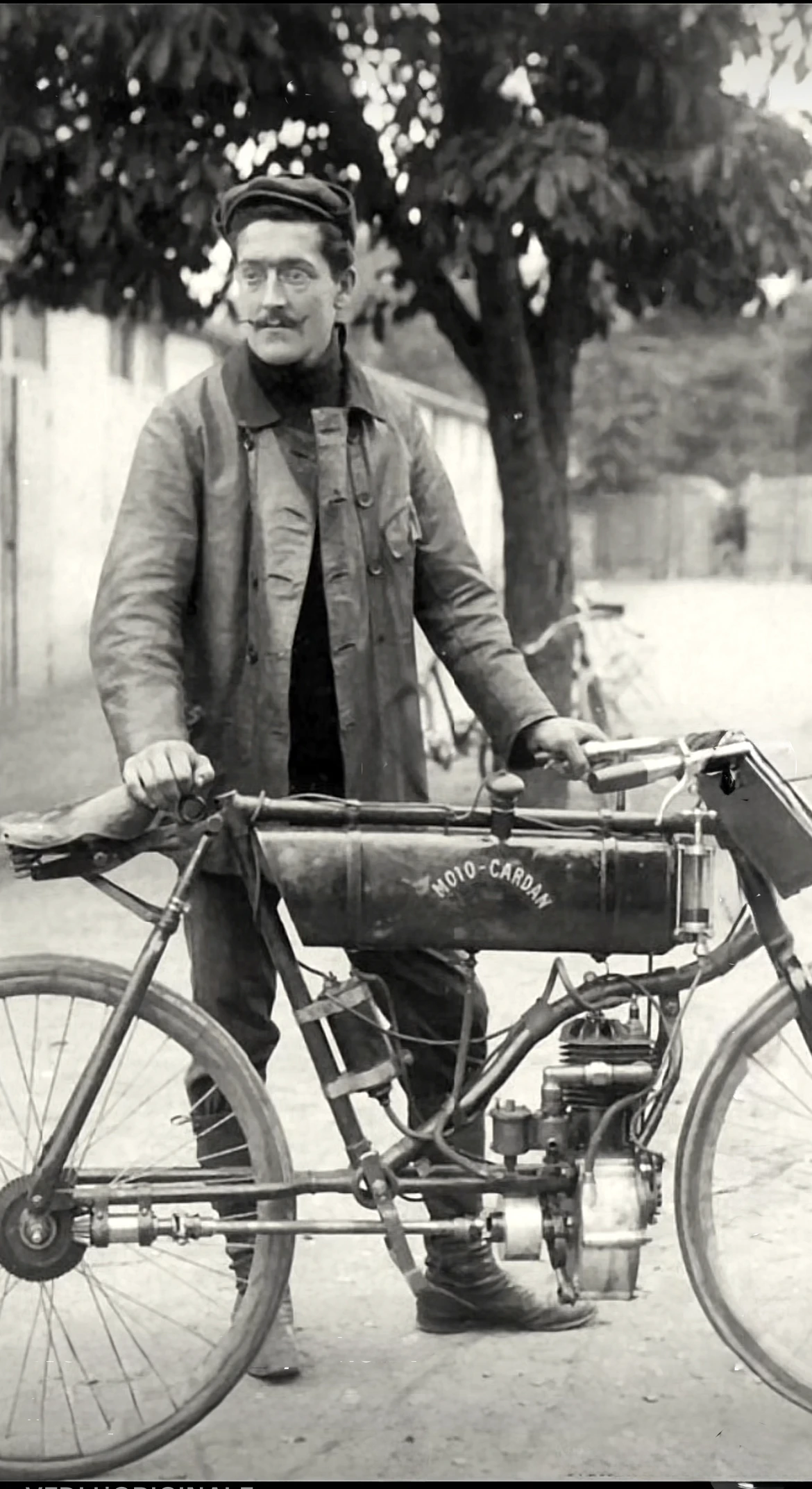
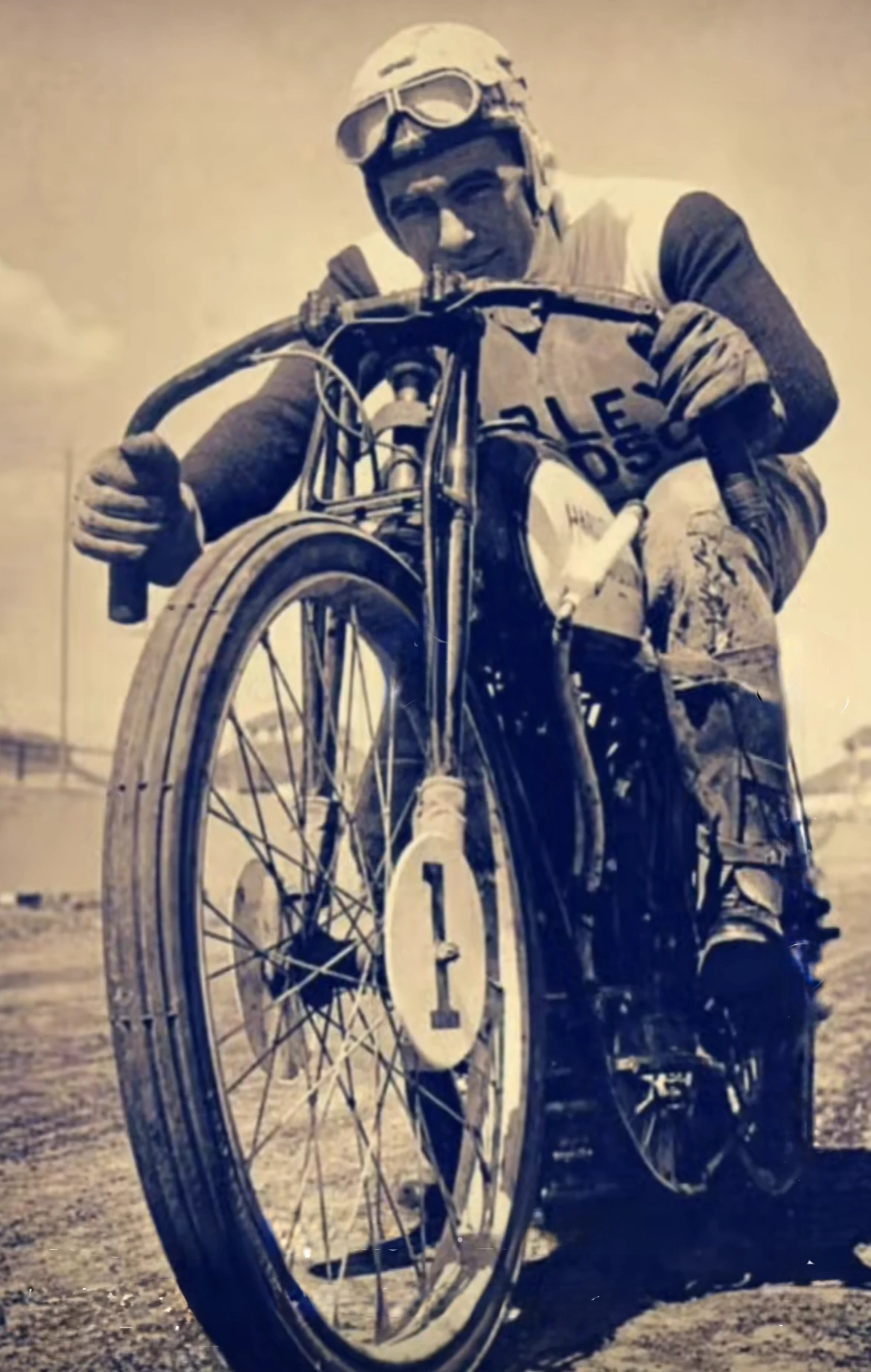
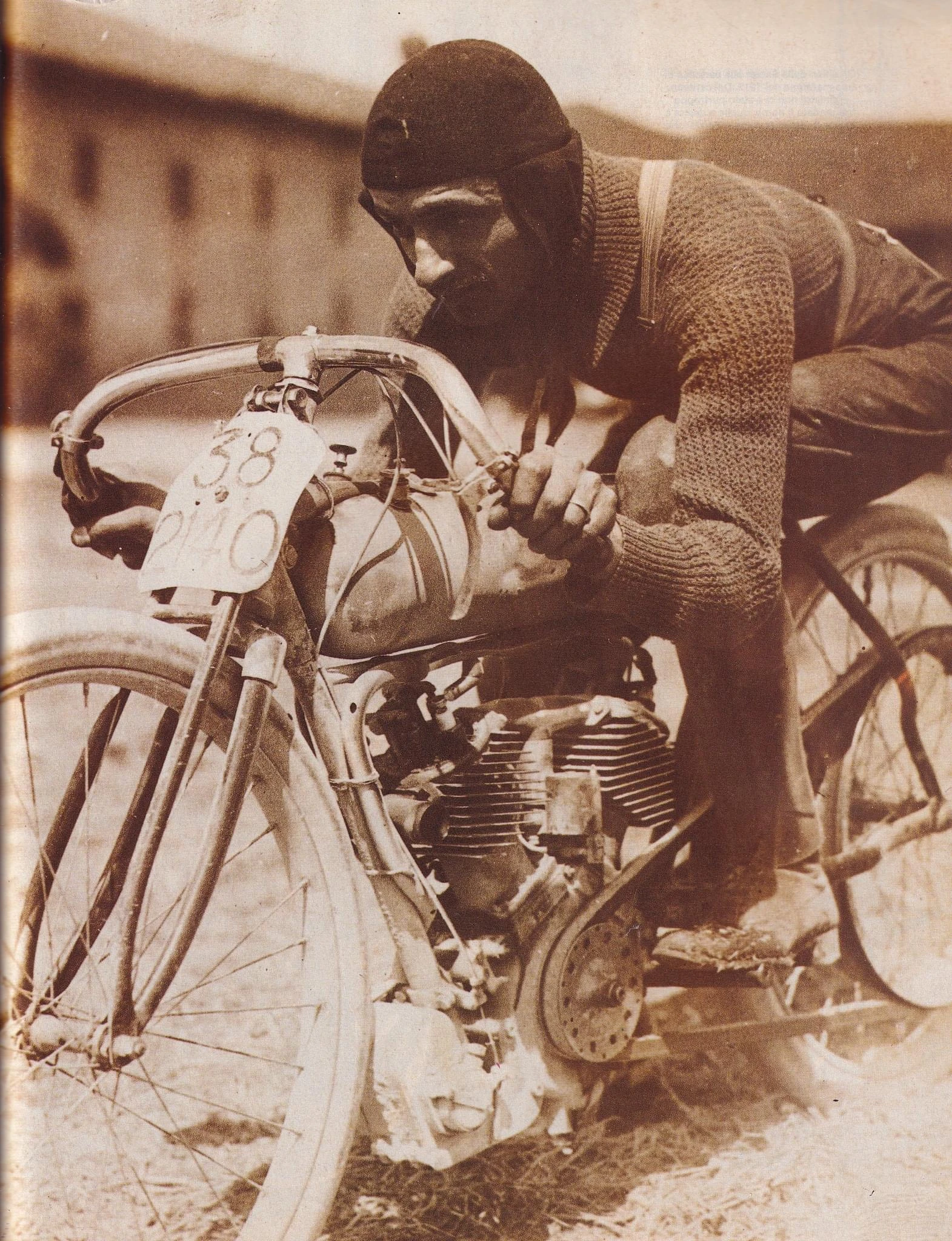
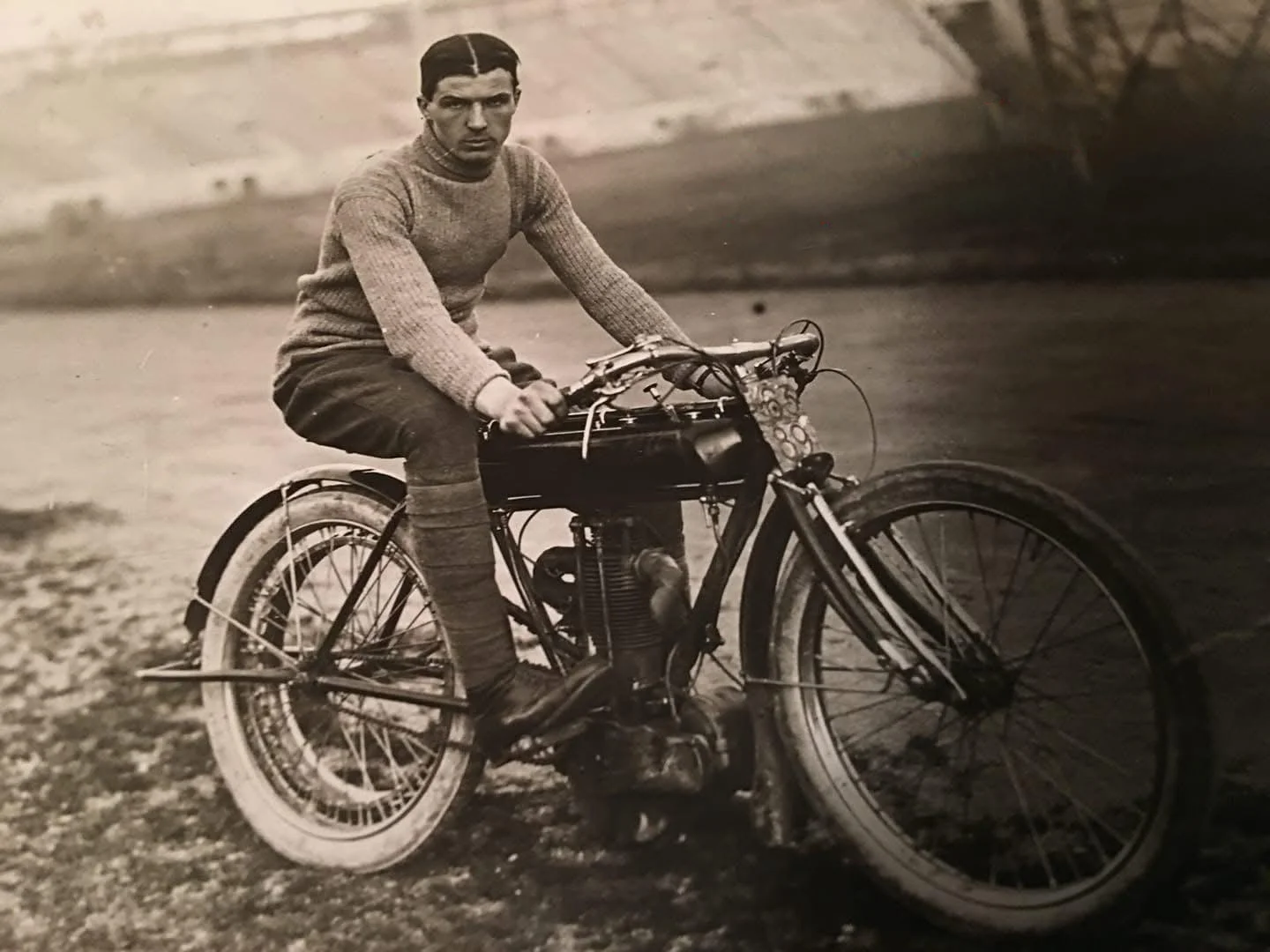
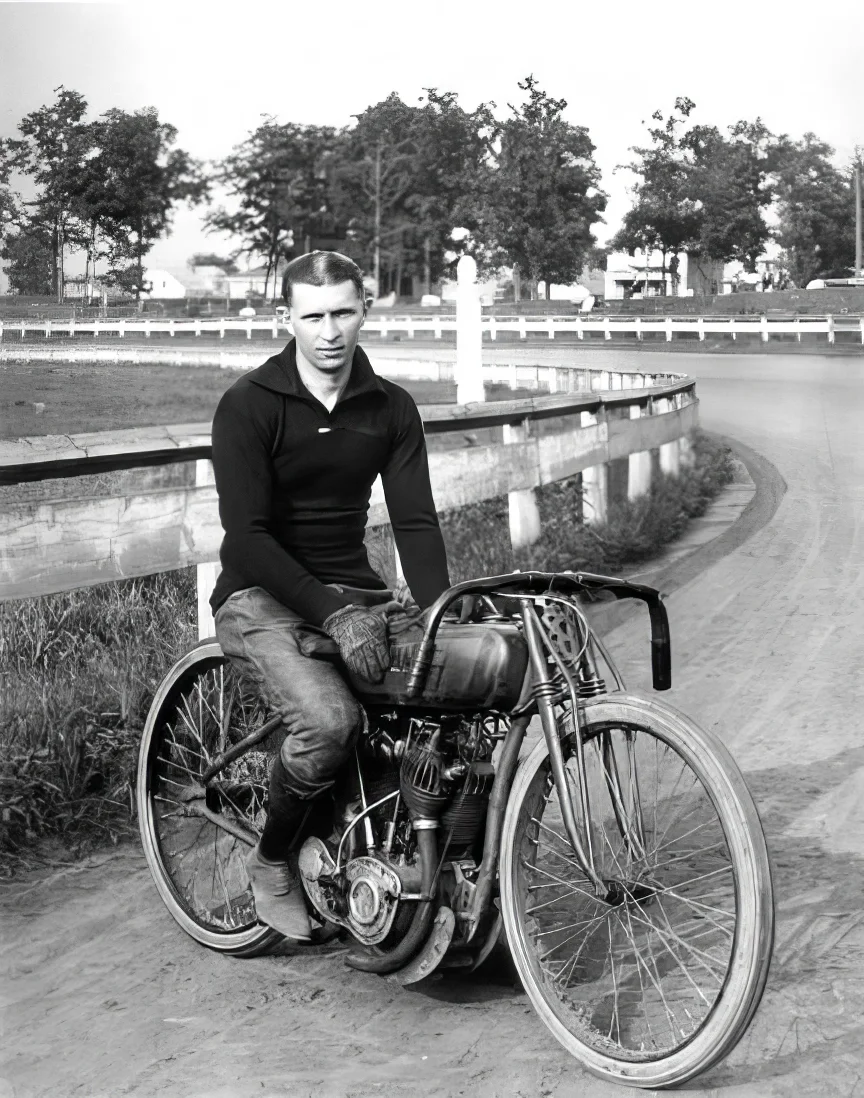
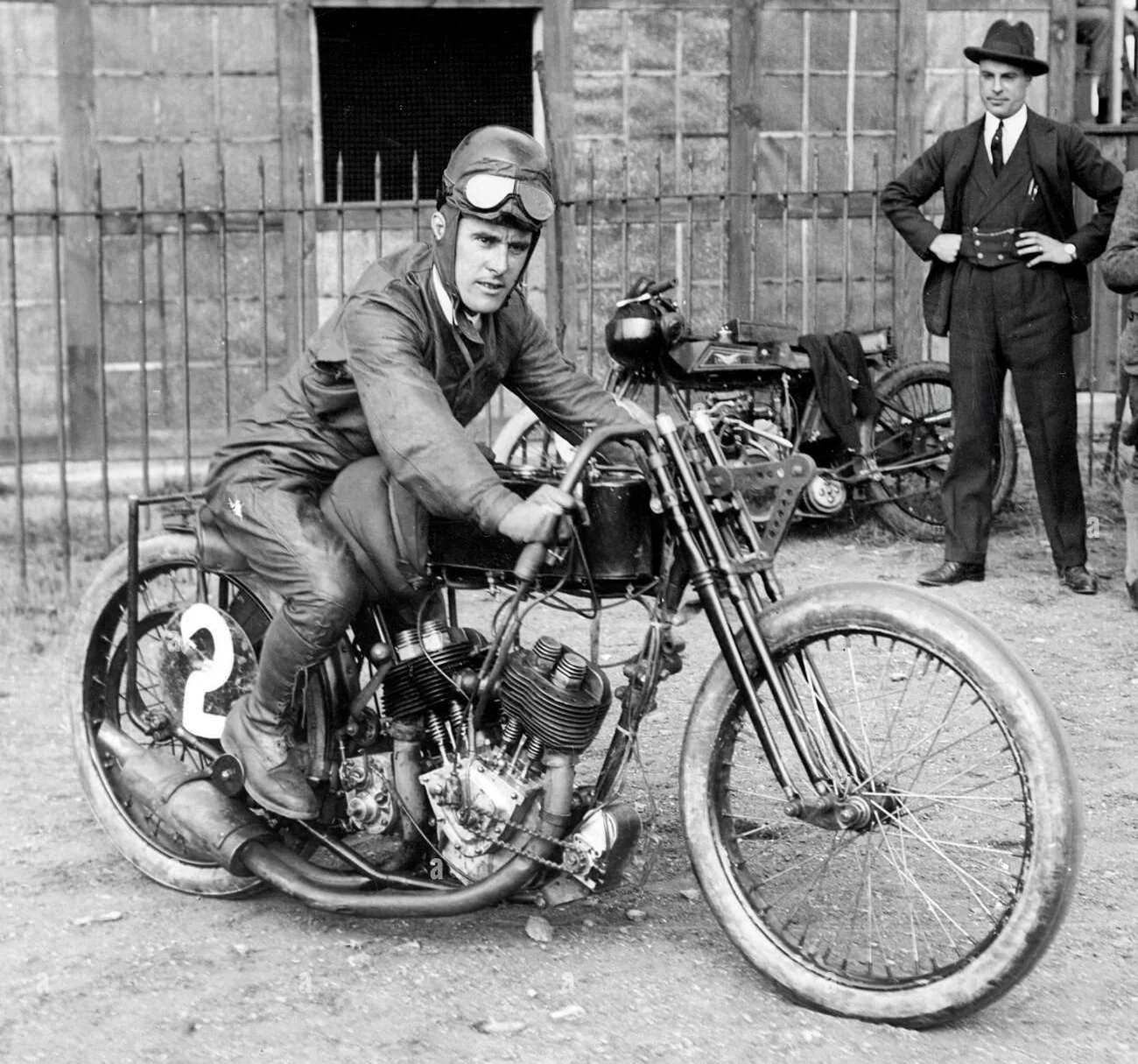
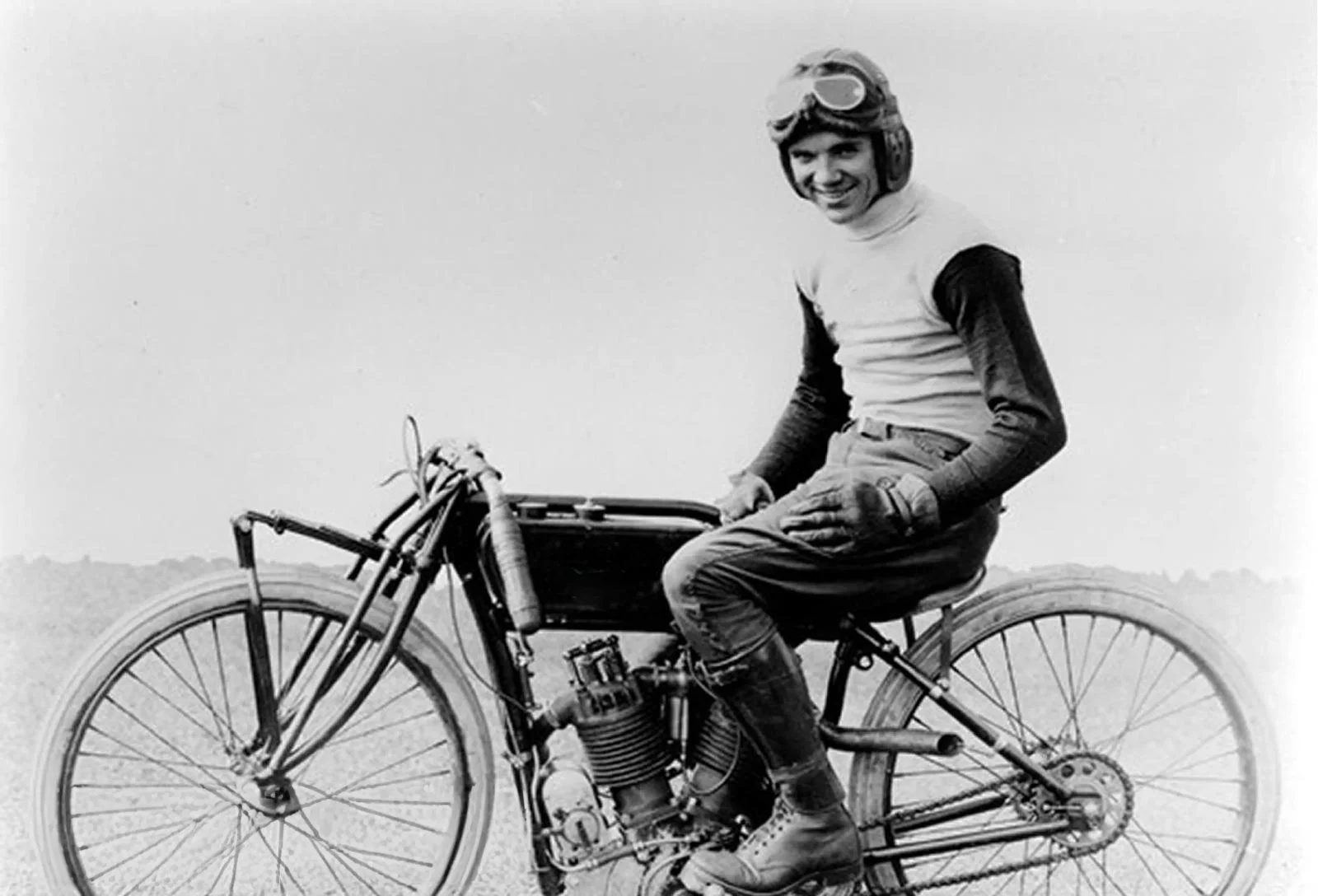
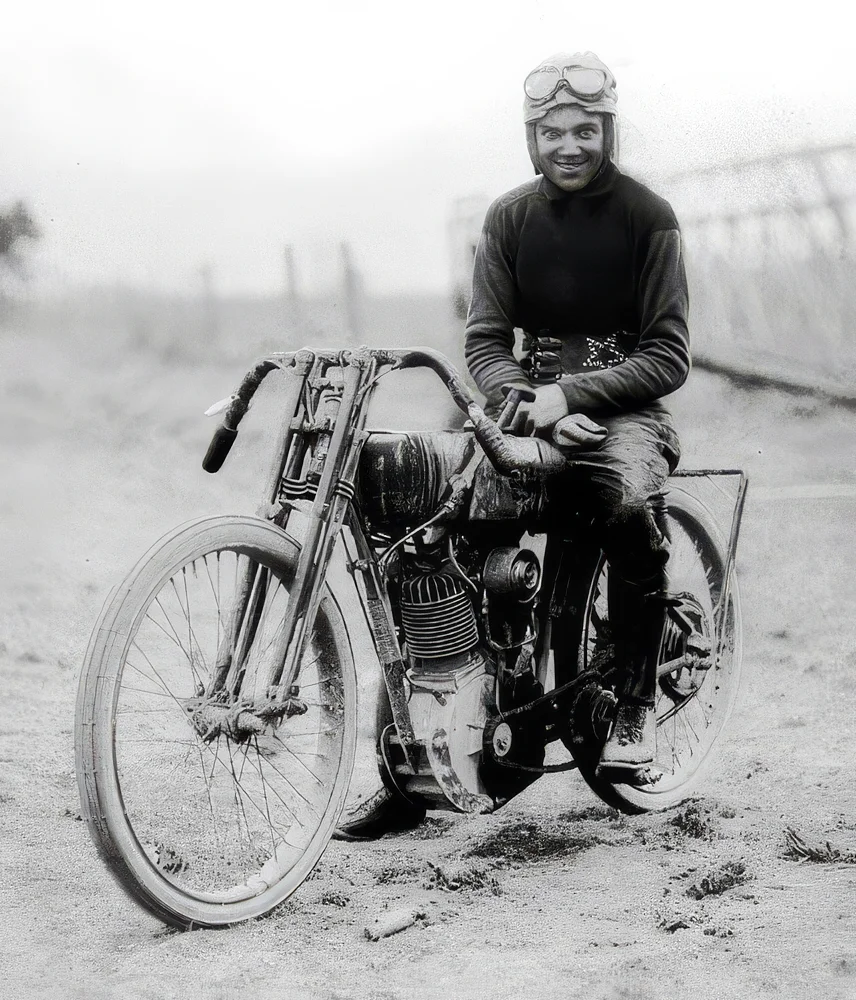
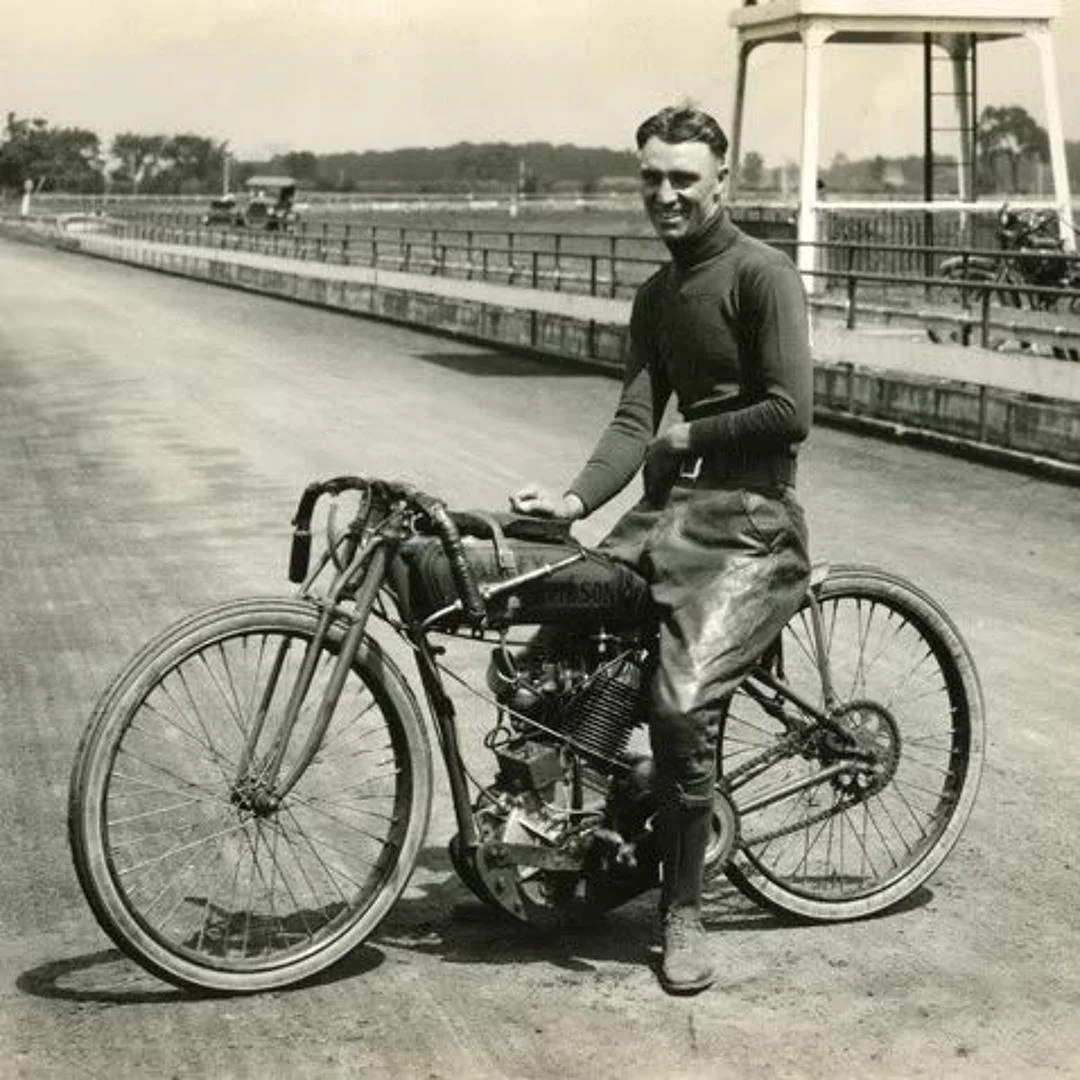
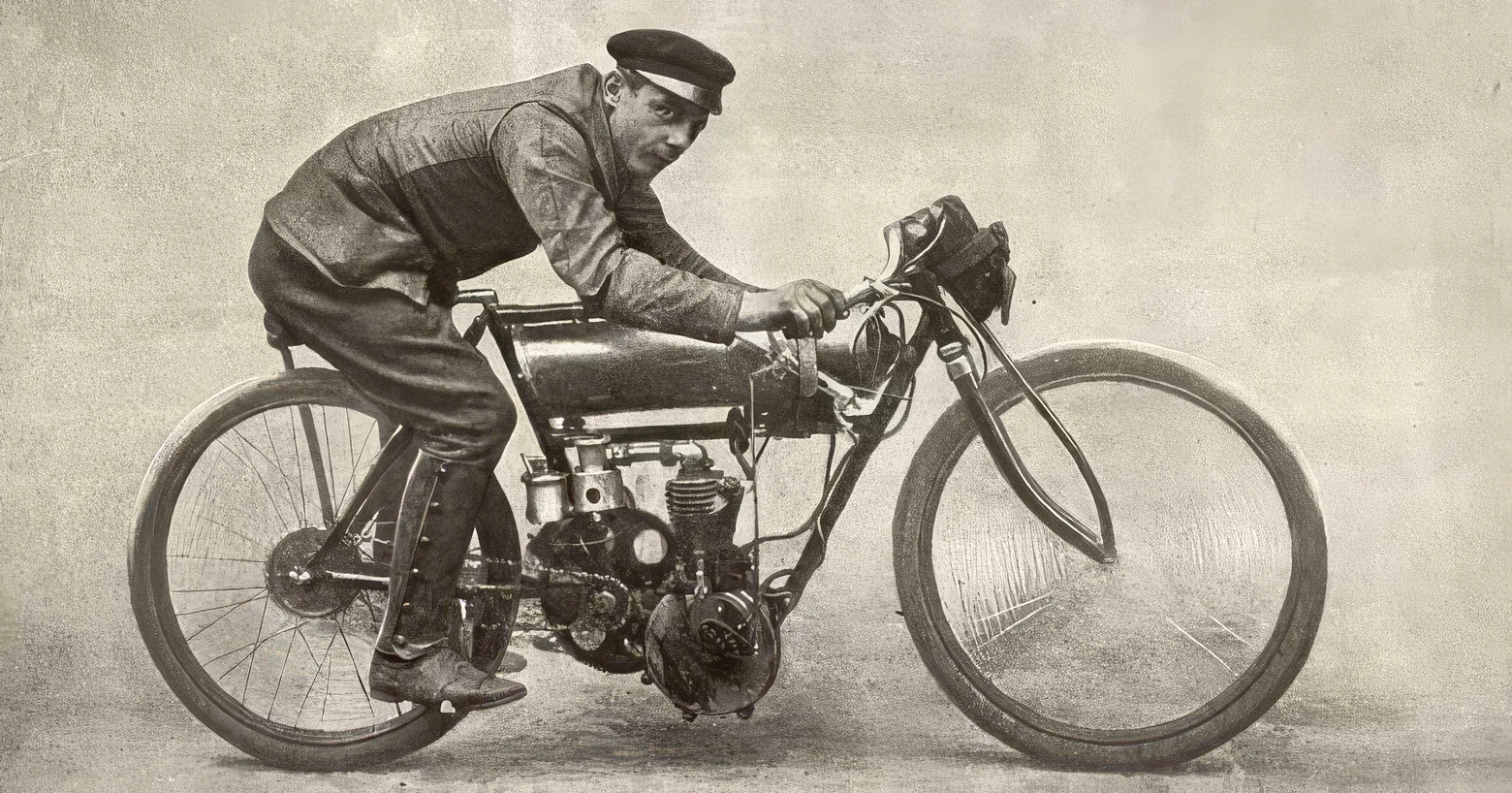
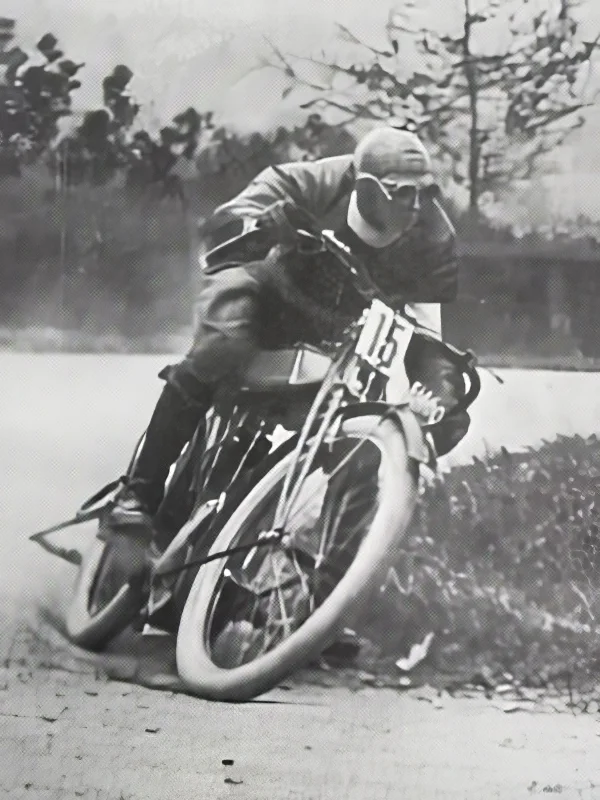
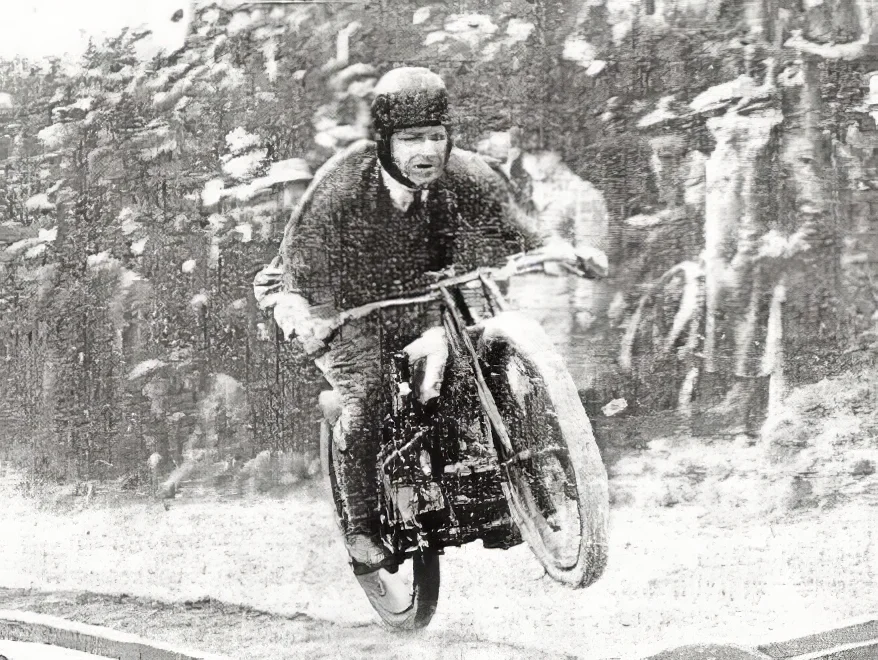
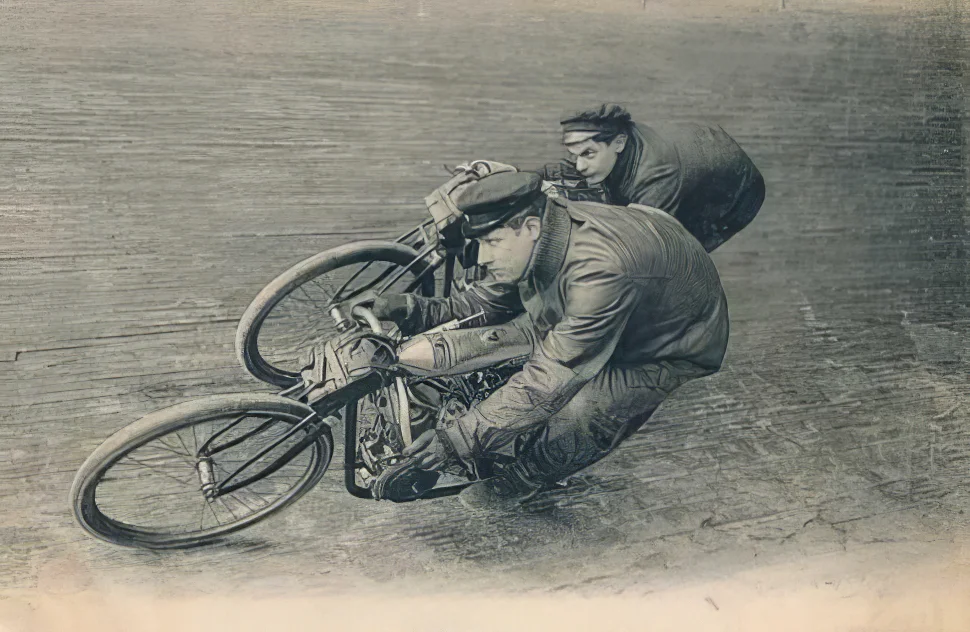
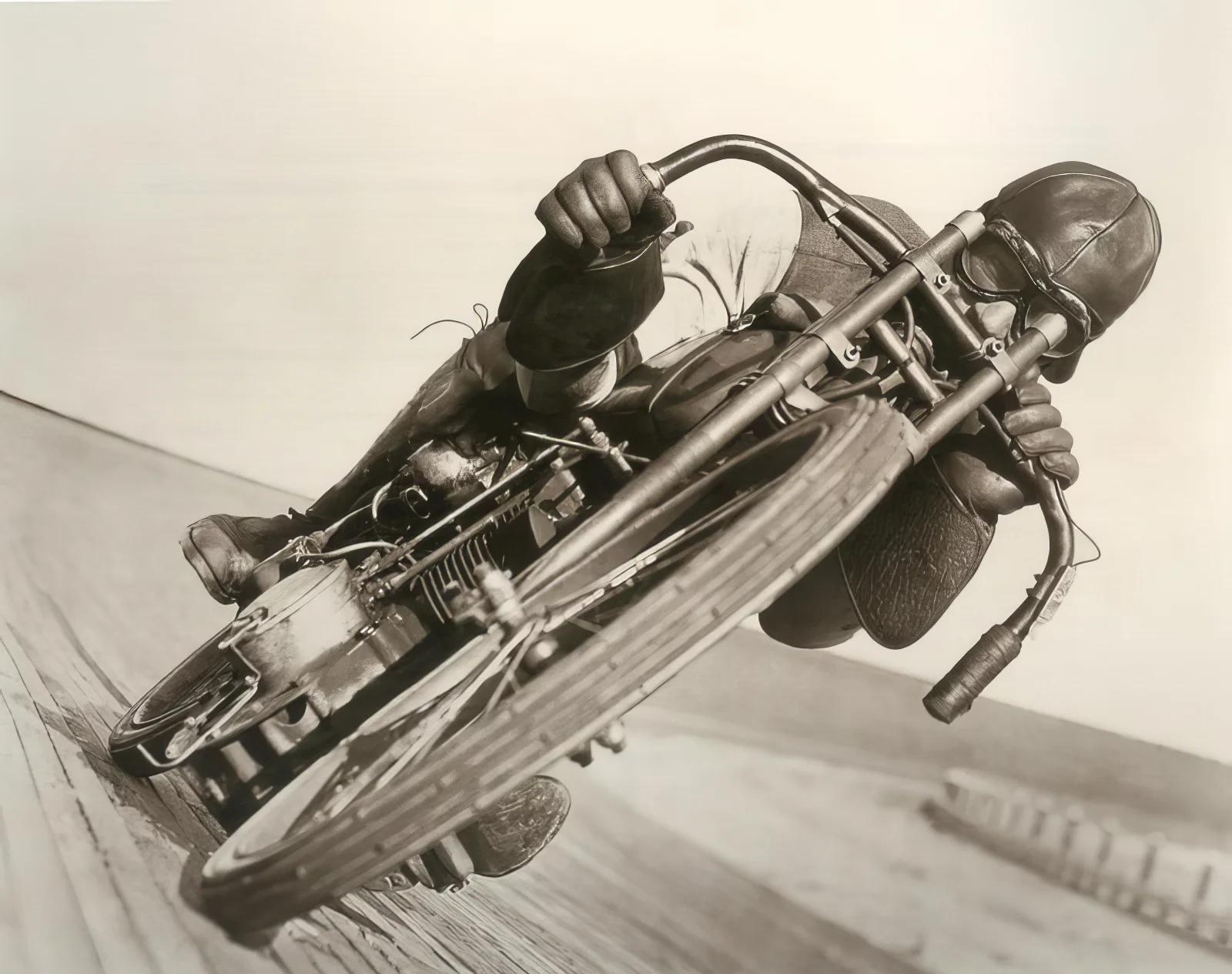
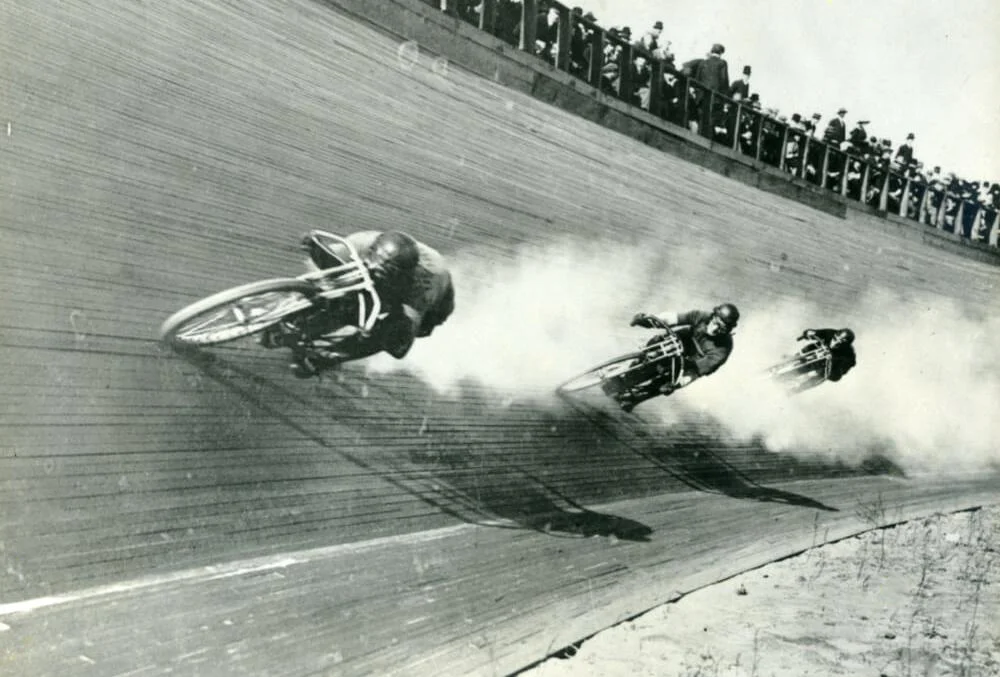
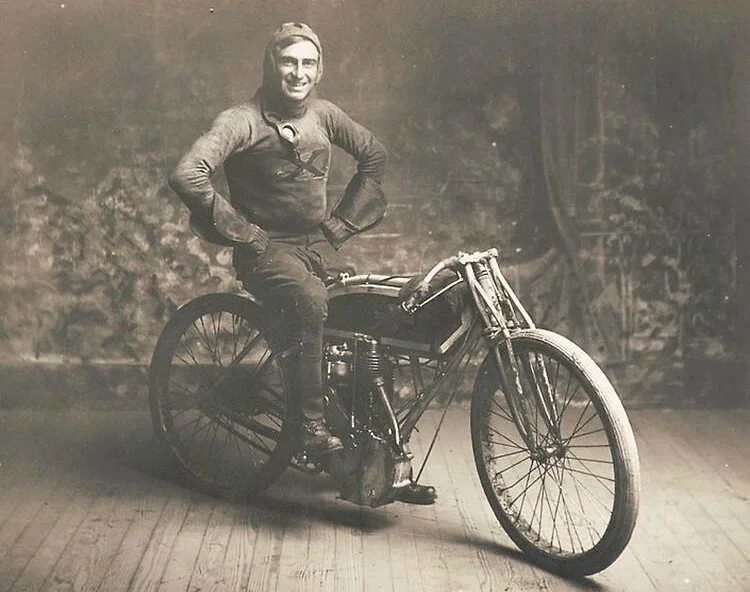
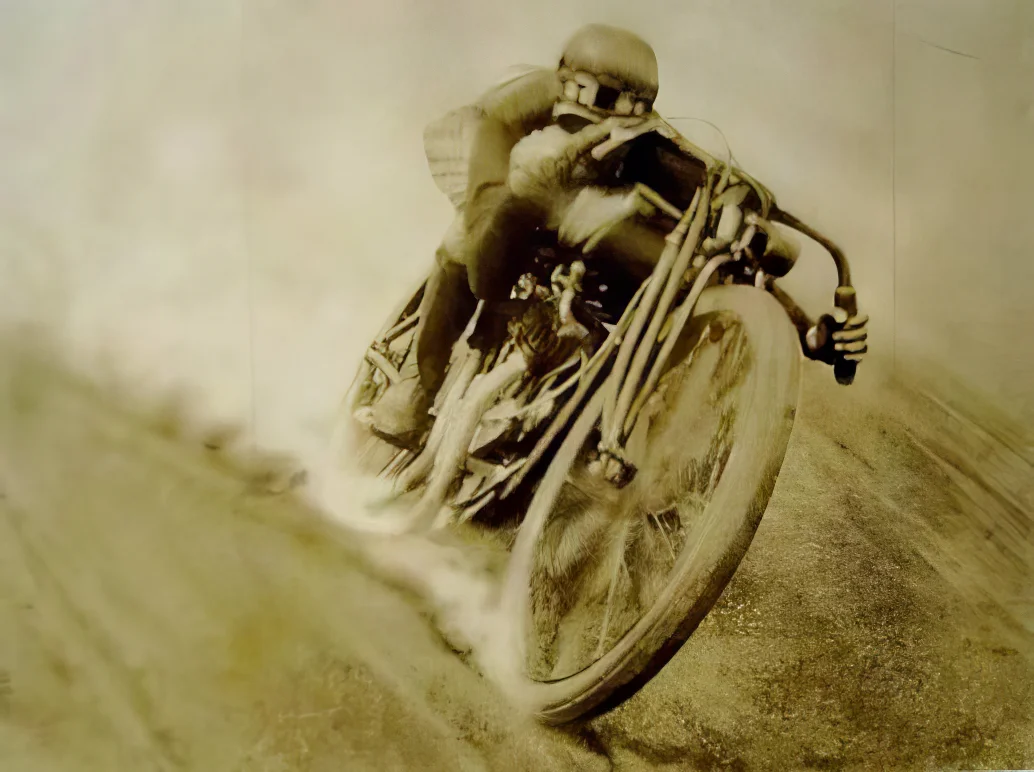
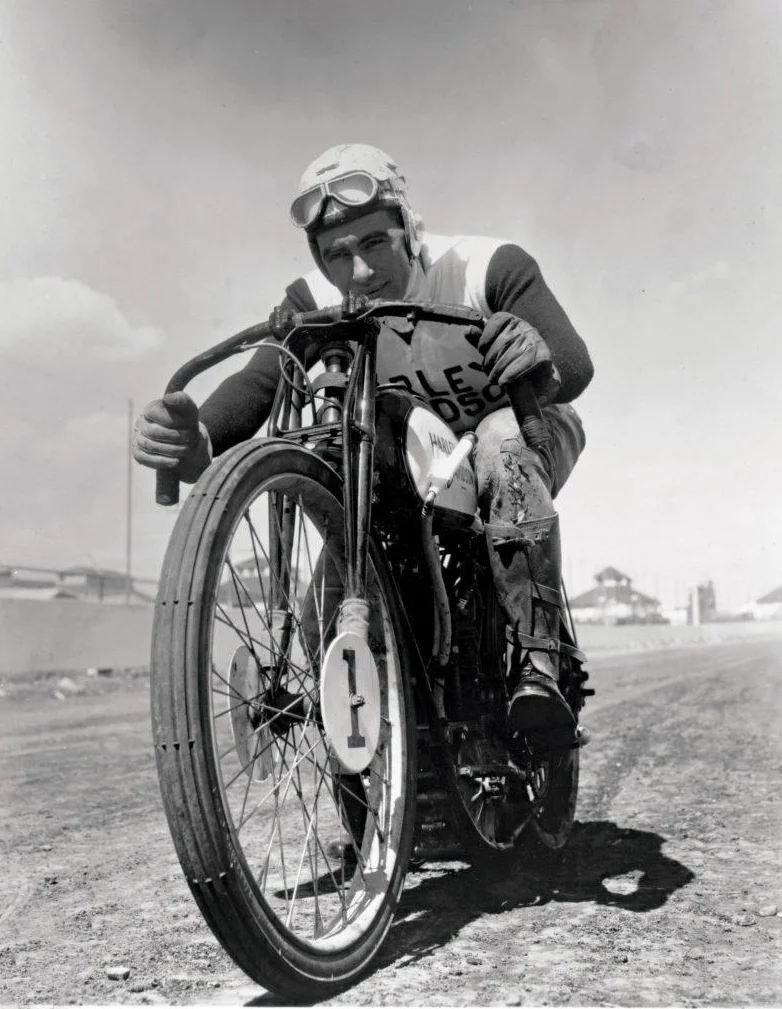
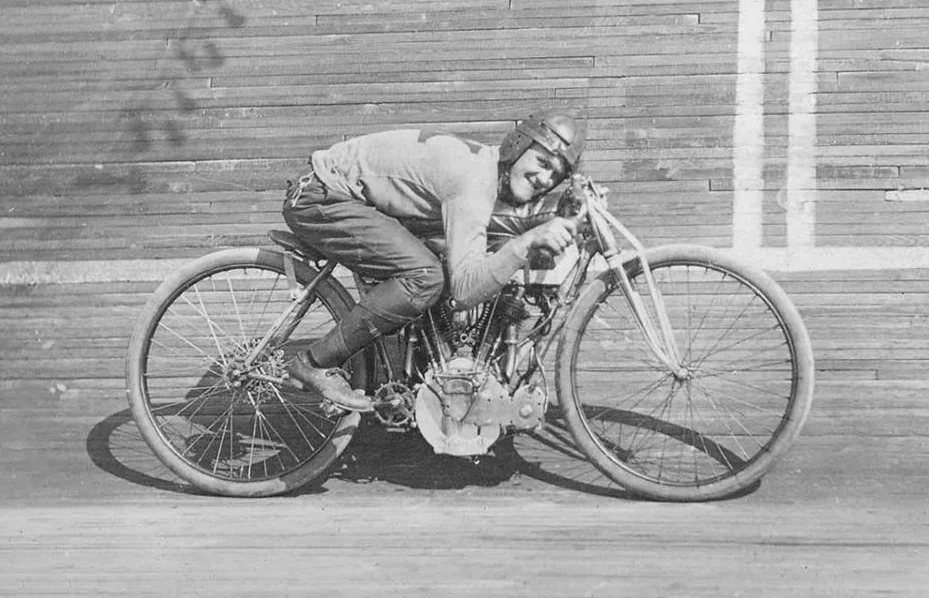
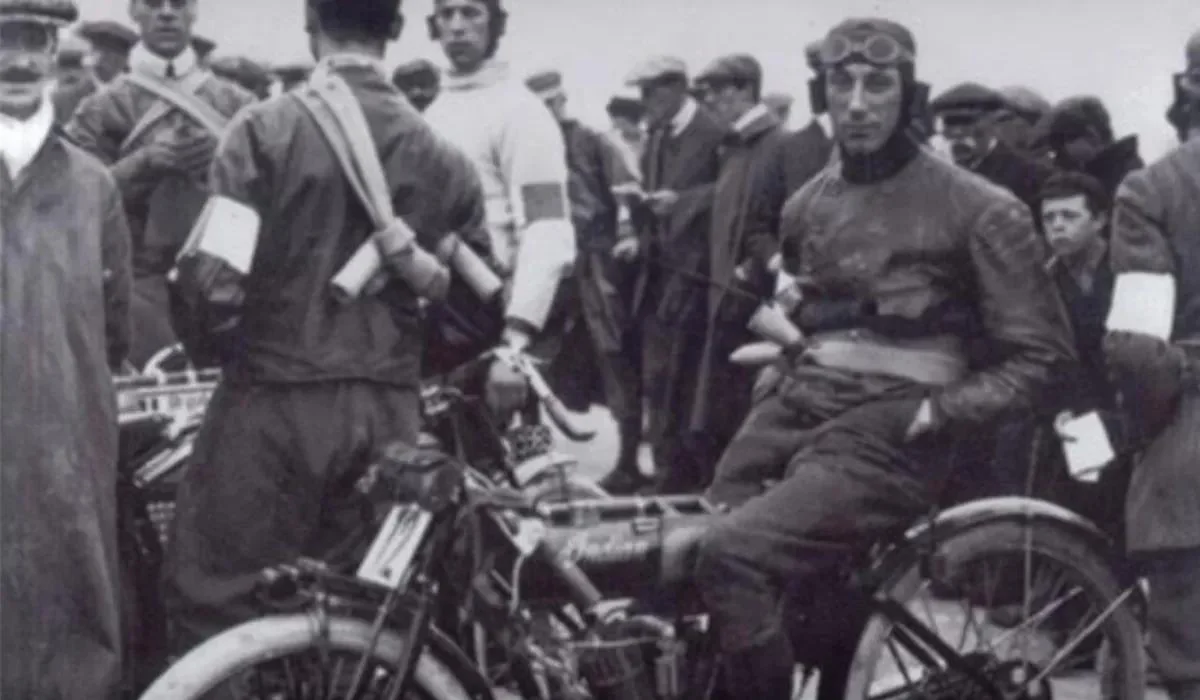
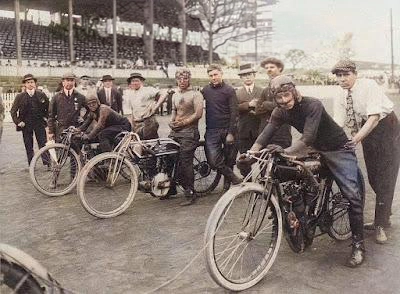
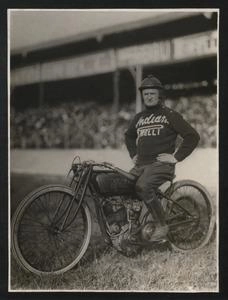
The number of motorcycle races that were held in the 1920s was impressive. There wasn’t a celebration without a race; all it took were the start and finish banners, some bales of straw, permission from the Carabinieri, and the game was on. Aderito, Zeno’s father, raced with a G.D, which at the time was considered the pinnacle of technology, and thanks to its numerous sporting achievements, it was the most coveted motorcycle among both riders and the public.


Aderito Masoni
victorious
Nocino di Zeno: Aderito’s Sweetest Victory
The air was thick with dust and applause—Aderito had just achieved a resounding victory, and the people hailed him as someone who had won on behalf of them all. The square was alive: hands, voices, pats on the back. But through the crowd, silent as always, came Giuseppe Ghizzoni, the notary—the lion of the law—with his stiff hat and walking stick. Aderito saw him approaching and, between a handshake and a shout of “Viva!”, made room for him.
“You have won.”
“It seems so.”
“And you didn’t cheat.”
“Never.”
“Then well done.”
It was the highest praise one could hope to receive from him in public. But then, with a sidelong glance, he added:
“Come by tomorrow evening and we’ll uncork a ’18 red. It’s just like you: young but already full of character.”
“And what if I don’t like it?”
“You refine your palate—or you change your friends.”
Aderito burst out laughing and added:
“I, on the other hand, have something for you to taste—and we’ll celebrate with that.”
Then he turned, and Ghizzoni vanished into the crowd like a ghost in a stiff jacket. Aderito laughed because he knew that among all the praise he’d received that day, the old gruff notary’s was the most authentic of all.
The next day, as promised—or as a challenge accepted—Aderito climbed the steps of the notary’s house with a mysterious dark bottle in hand. Ghizzoni, with that sharp gaze of his that seemed carved in granite, took the bottle from Aderito. He turned it between his long fingers, observed the dark color in the candlelight, and uncorked it with theatrical slowness. Then, raising an eyebrow ever so slightly:
“Walnut liqueur!” he said coolly, setting the bottle on the table. “Child’s stuff.”
Aderito stared at him: “This walnut liqueur was made by my son Zeno with walnuts from trees he himself planted after each of my victories, in areas he considers particularly suitable because of the subsoil.”
“You understand, Aderito… walnut liqueur is an honest spirit, I won’t argue that, but it lacks depth. It’s like a young soldier—brave, yes, but without experience. It doesn’t know the hardship of long aging in wooden barrels. It doesn’t know how to wait. And then…”
He nevertheless poured himself a drop into the glass, held it up to the light to observe its clarity, and with a gesture halfway between pity and curiosity, he tasted it, letting the liqueur swirl in his mouth with practiced movements.
He began to reflect at length, then took another, more generous sip of walnut liqueur to understand it better. The aromatic flavor slipped down his throat like an old piece of advice, leaving him with a sensation of strength that stirred his mind.
Incredulous, the notary—a man of stern demeanor—allowed himself a rare smile. He raised the glass again, looked at it against the light, and pronounced in a solemn tone:
“It is a walnut liqueur fit for a king!”
His voice resonated through the room as if it were an official verdict. A brief silence followed. Then, with a spark in his eyes, he added:
“And if it is a walnut liqueur fit for a king… then the king shall drink it!”
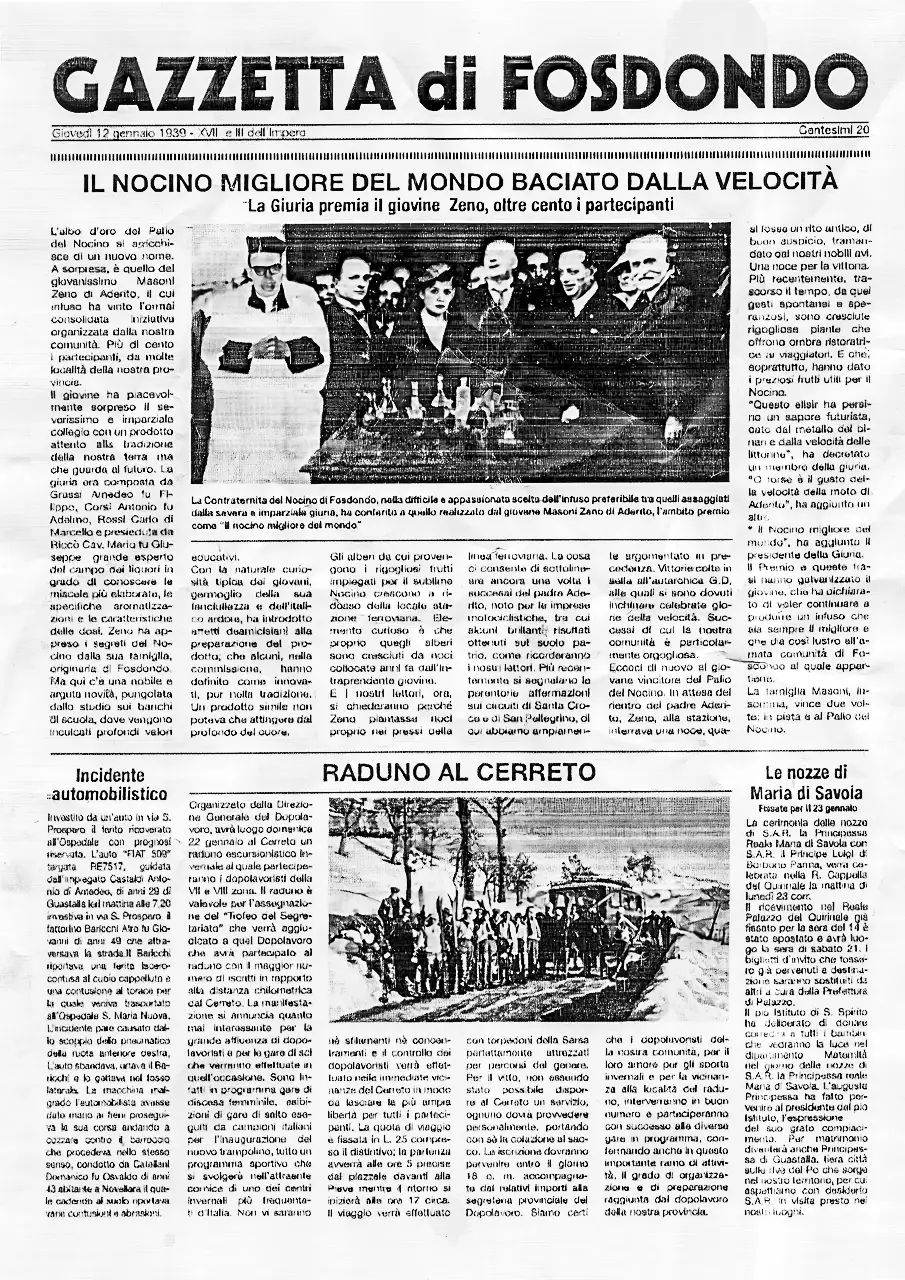
Struck by a praise he never could have imagined, Aderito decided to do things properly. He had elegant labels printed, with golden lettering and the words “Il nocino di Zeno” clearly displayed. With patient care, he applied them one by one to twelve bottles, checking that there were no smudges or imperfections.
Then he took a sturdy wooden crate, lined it with straw to cushion any impacts, and placed the twelve bottles inside with almost devotional gestures. Finally, he added a handwritten letter telling the story of the liqueur and explaining how it should be served “because,” he said, “walnut liqueur is not something you drink, it is something you honor.”
Notary Ghizzoni, always precise and diligent, took care of the shipment. He instructed a trusted postal courier to deliver the crate to its destination with the utmost discretion. He was certain that a walnut liqueur fit for a king could only be destined for the King himself, just as he had proclaimed.
Some time later, to Aderito’s great surprise, an envelope bearing the royal seal arrived. The paper was thick and scented, marked with the coat of arms of the Royal House. Aderito’s heart pounded as he opened it.
“Esteemed Mr. Aderito Masoni, His Majesty the King has received the twelve bottles of Your fine Nocino di Zeno and wishes to express his deep appreciation for the exquisite quality, aroma, and flavor of this liqueur, to the point that it was served during an official reception at Court. His Majesty sincerely thanks you for the gracious gift, which has brought a sip of authentic excellence to the Royal table. With esteem, His Majesty’s Secretary.”
Aderito remained for a long time with the letter in his hands as if it were a treasure. And he realized that the time had come to let everyone taste the walnut liqueur, not just the King.
The Meeting with Tazio Nuvolari
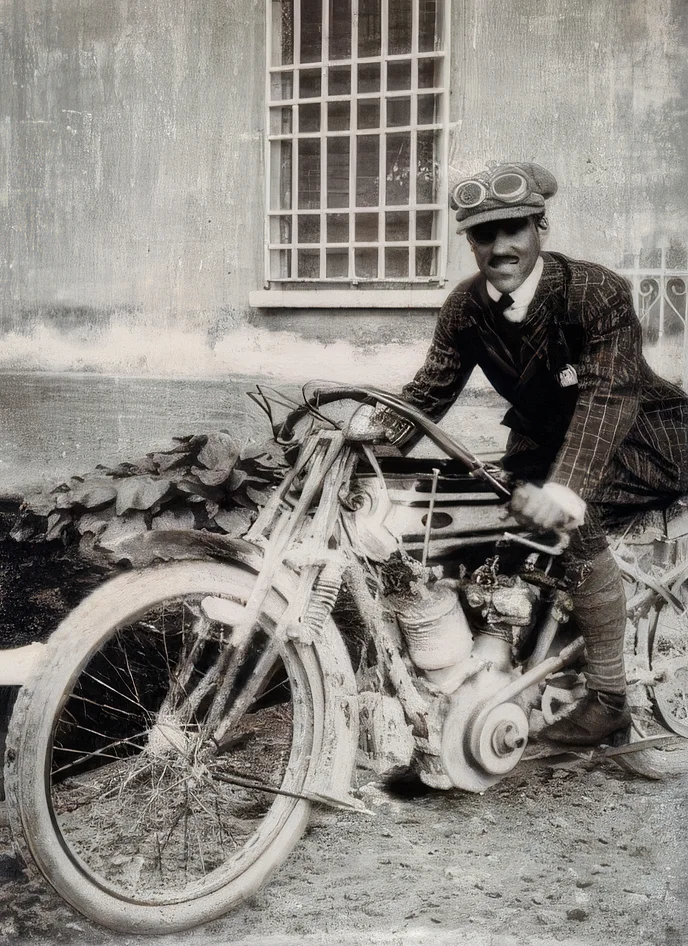
It was the spring of 1920: on the International Circuit of Cremona, men raced who seemed to have no fear of challenging fate.
That day, the crowd had gathered along a straight stretch of dust and gravel. No one paid attention to a slight young man making his way forward with an uncertain step, pushing a Della Ferrera Corsa 600cc motorcycle larger than himself. It was his first race.
But when the signal was given, everything changed. That motorcycle, ridden by that lean, nervous rider, did not race—it flew. It seemed to dance, light and fierce at the same time.
The crowd began to murmur, wondering who that young man was, capable of taming speed in such a way. He was a certain Tazio Nuvolari, of whom no one had ever heard.
Aderito watched him, spellbound, like an apprentice witnessing the perfect gesture of a master.
Then, however, the Della Ferrera began to suffer engine trouble and Tazio was forced to retire. Yet those few laps were enough to convince Aderito that he had just witnessed an exceptional talent at work.
When the race was over and silence returned among the poplar trees, Aderito gathered his courage and rode up to him on his G.D. Corsa.
“Mr. Nuvolari… may I ask you a question?”
Tazio turned, still covered in dust, and smiled.
“If it’s a good question, yes.”
“How do you go fast? I mean, truly fast.”
Nuvolari lowered his gaze to the motorcycle, then looked back at him.
“You don’t go fast with the throttle, but with your heart. You don’t have to dominate the motorcycle—you have to understand it. When you lean into a turn, it speaks to you if you listen; it saves you. If you challenge it, it throws you off. And remember: speed isn’t evil—it’s just honest.”
Those words lingered in the air, like the scent of oil and gasoline.
Aderito remained silent. Then he rummaged through his bag, pulled out a small dark bottle, and discreetly handed it to him.
“It’s a walnut liqueur that brings good luck,” he said.
Tazio took it, held it up to the light, then laughed.
“Then I’ll drink it the next time the wind decides to favor me.”
They shook hands, and it was as if they were sealing an ancient pact of friendship. Some say that from that day on, Nuvolari always kept a small amount of walnut liqueur with him as a good luck charm.
Aderito recounted the meeting to Zeno, and every time he prepared his liqueur, recalling those words, it felt to him as though he could hear the distant roar of those engines once again.
That walnut liqueur truly brought luck to Tazio Nuvolari, because from that day on he began to build his legend. Thus was born the legend of Nocino di Zeno, a liqueur born of courage, gratitude, and an encounter that tasted of wind, gasoline, and spring.
Aderito Masoni
Aderito proudly gave his contribution to the Fatherland by interrupting his competitive career.
During the war, he served in Trentino-Alto Adige, Friuli Venezia Giulia, and Veneto, distinguishing himself as a fearless motorcycle dispatch rider and earning the “War Cross.”
An excerpt from Aderito’s diary:
Slopes of Monte Grappa, winter 1917
The road wound its way between slabs of ice and bluish shadows, while the engine of the powerful Frera roared beneath me like a feverish animal. The air burned in my lungs, and the silence, up there, was as dense as the snow waiting to fall. Every curve was an act of blind trust.
It was in that endless white that, suddenly, a dispatch rider on horseback came toward me, his face carved by frost. Without a word, he handed me an ivory-colored envelope, sealed with red wax. I slipped it into my jacket, my heart pounding harder. As soon as I found shelter, I opened it: the scent of the paper carried me back to the memory of curtains and distant lights.
It was a letter from Eleonora Duse. Her handwriting danced like light smoke. She spoke of courage and beauty, of a homeland that was not only land, but memory and dream. “Read it to your companions,” she wrote, “so that the heart, even in the dust of the trench, does not forget the taste of spring.”
I folded it carefully, feeling on my fingers a warmth that did not come from fire. I set off again, determined to bring it to the soldiers waiting in mud and iron. In those words, I knew, there was more strength than any weapon could ever carry.
The climb to the ridge had been long, and the snow had tried a thousand times to swallow the motorcycle’s wheels. At night, when I reached the camp, the shadows of the soldiers stood black against the intermittent glow of distant flares. Their faces, hollow and silent, had the same color as the frozen earth.
We gathered in a wooden hut, where a kerosene lamp flickered like a frightened flame. I pulled out the envelope with the same care one uses to handle something sacred.
“This is a message for you,” I said. “It comes from Eleonora Duse.” A murmur rippled through the room, and in the tired eyes a spark of curiosity appeared.
I read. The words fell softly, full of images of rebirth: the wind dancing through valleys, the warmth of fresh bread, the faithful song of swallows that always return without fail.
She said that courage is not the absence of fear, but faithfulness to life, even when it seems far away. When I looked up, I saw calloused hands discreetly drying their eyes, and smiles I hadn’t seen in weeks.
Outside, the war kept roaring; but inside, for a moment, it fell silent.

Aderito returned, ready to face his life as a competition, always on the offensive.

Zeno Masoni
In 1955, Zeno traveled to the USA, and his long journey began right from the Fosdondo station. He managed to catch the last ride that train would ever make because when he returned from America, the railway was no longer there, thus marking the end of an extraordinary saga that began and ended in the same place.
When perfection erases the thrill, according to Zeno
A new motorcycle model is released: the fastest ever, they say.
From zero to a hundred in a flash—numbers so small you can hardly even feel them. In Aderito’s racing days, riders shaved off seconds; today, perfection is measured in milliseconds.
But what is perfection, if not the death of emotions? Once, there was struggle—the effort of man before facing a curve.
Today engines no longer roar: they whisper, smothered by progress.
They shift gears before you even ask, faster than thought—yet with no soul in the race.
They call it evolution, yet evolution has no mercy:
it refines, cuts, smooths away only what is needed.
And emotions, as we know, have never been necessary.
Thus you’re left with countless horsepower, yet you feel empty:
a carbon-fiber ghost chasing infinitesimal numbers that mean nothing.
At the end of the lap — or perhaps that lap ended long ago — only silence remains.
Nocino di Zeno, on the other hand, is a ride that will never end,
because within it are kept the emotions of a time that never dies.

To New York...
To bring the word to the New World: a bottle of Nocino di Zeno with Fosdondo inside, to enrapture America.
… from Fosdondo

But what was Zeno’s secret?
The secret of walnut liqueur did not lie solely in the recipe—there was something more, a mystery rooted in the soil of Fosdondo. In those countryside fields, the subsoil held pockets of methane, a living and powerful energy that had always made the land fertile. The walnut trees that grew in the strategic spots discovered by Zeno absorbed this underground energy, transforming it into a unique essence that made their walnuts gas-active.
The fruit, charged with this invisible force, was capable of ionizing the blood, thus promoting cellular exchange and improving oxygenation in the lungs. The result was a liqueur with an unmistakable flavor, born from the breath of the earth, able to make the heart beat stronger and leave a profound sensation of well-being and vigor.
That is why Nocino di Zeno had even captivated His Majesty: it embodied the strength of the earth, the air, and even the energy of the liquid fire resting beneath Fosdondo.